



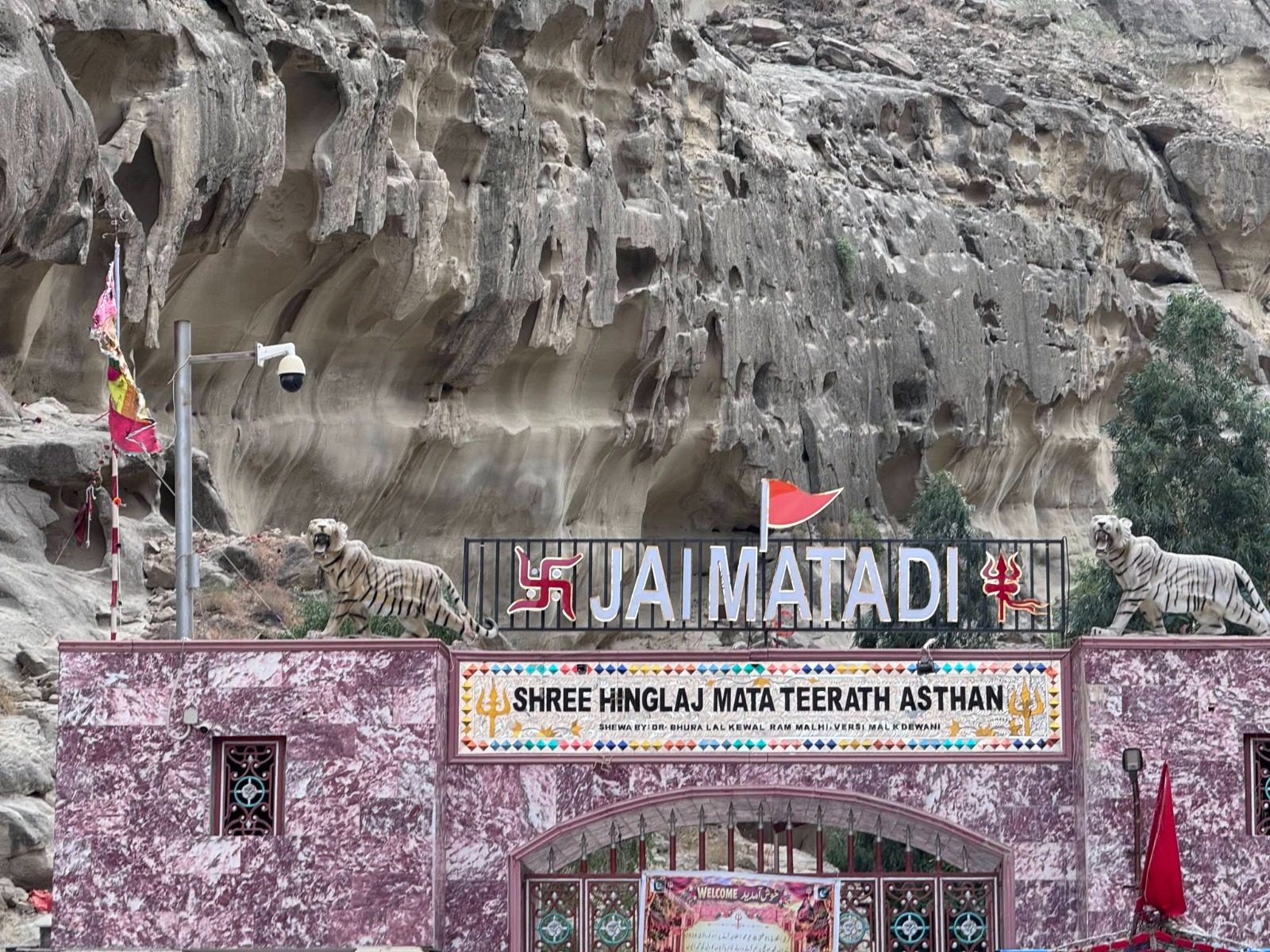
In a bold message marking Navratri, the self declared Republic of Balochistan has extended its greetings to Hindus in Balochistan, India and across the world, underscoring its stated vision of a future in which religious freedom, cultural identity and the protection of sacred places form the foundation of society.
Prominent Baloch Leader Mir Yar Baloch, a representative of the self-declared Republic of Balochistan, has extended Navratri greetings to Hindus across Balochistan, India and other parts of the world, while inviting devotees to visit the sacred Hinglaj Mata Temple, also known as Nani Mandir, in Balochistan.
In a statement today, Mir Yar Baloch emphasised religious freedom, cultural diversity and the protection of minority communities, presenting a vision of a future Balochistan where people of all faiths can practise their religions without fear and enjoy equal dignity and respect.
The statement opened with the declaration, “BALOCHISTAN IS NOT PAKISTAN,” underscoring the political position advanced by Mir Yar Baloch and the body he represents.
Extending his wishes on the auspicious occasion of Navratri, he expressed goodwill towards Hindu communities, particularly those living in Balochistan, and said the festival symbolised peace, hope, prosperity and spiritual renewal. He described religious diversity as a source of strength and called for a society in which faith becomes a bridge for harmony rather than a source of division.
A central element of the statement was an invitation to Hindu devotees to visit the historic Hinglaj Mata Temple, which holds considerable religious and cultural significance for Hindus. Referring to the shrine as “Nani Mandir,” Mir Yar Baloch said the sacred site had long been respected by the Baloch people in keeping with their traditions of hospitality and respect for different faiths.
He also outlined proposed plans for the renovation and restoration of the temple, its expansion and the improvement of facilities for pilgrims and visitors. The statement extended a special invitation to devotees from neighbouring India and other parts of the world to visit the shrine.
Addressing growing interest among prospective pilgrims, Mir Yar Baloch said he had received enquiries from people wishing to visit Hinglaj Mata Temple, including questions concerning visa applications and travel arrangements. He stated that a future free Republic of Balochistan would seek to establish a transparent and accessible visa system for religious pilgrims and tourists, subject to applicable legal requirements.
The statement further envisaged equal respect and protection for temples, gurdwaras, churches, Buddhist religious sites and other places of worship. It called for peaceful relations and cultural cooperation among Hindus, Sikhs, Jains, Christians, Buddhists and people belonging to other religious communities.
Mir Yar Baloch concluded by reiterating that the future envisioned in his statement would be founded on shared freedom, peace, dignity and prosperity, rather than religious intolerance or discrimination. He also expressed the aspiration to promote tourism, education, trade and cultural development while ensuring that future generations inherit a legacy of mutual respect and coexistence.
The message, issued by Mir Yar Baloch, prominent leader of Balochistan, places particular emphasis on the historic Hinglaj Mata Temple, one of the most revered Hindu pilgrimage sites in the region. It also articulates a broader vision of religious coexistence, equal rights and the preservation of the cultural and spiritual heritage of all communities.
Opening with the emphatic declaration, “BALOCHISTAN IS NOT PAKISTAN,” the statement presents Balochistan’s national aspirations alongside a call for a society where faith is a matter of personal freedom rather than a source of discrimination or division.
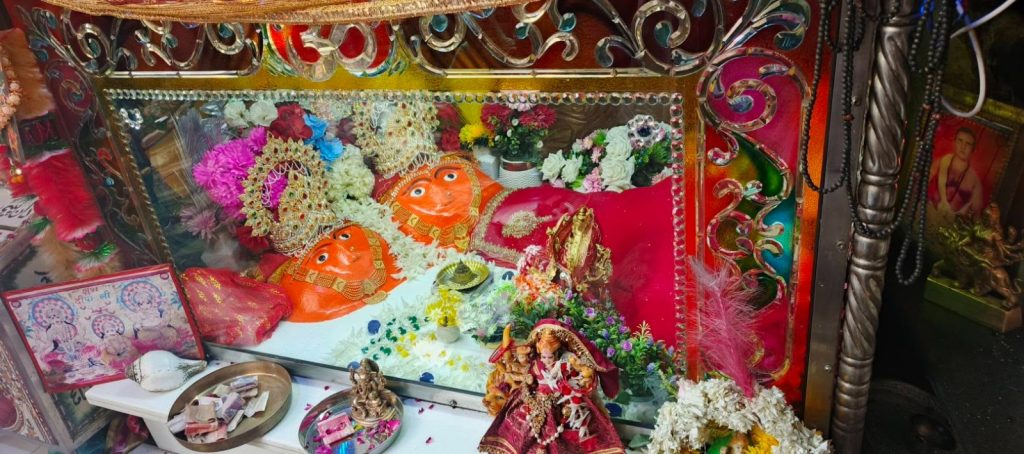
Hinglaj Mata Temple: A sacred heritage beyond borders:
At the heart of the message is an invitation to Hindu devotees, particularly those observing Navratri, to visit the historic Hinglaj Mata Temple in Balochistan, affectionately known among the local Baloch population as Nani Mandir.
The temple holds profound religious and spiritual significance for Hindus and is revered as one of the 51 Shakti Peethas. Situated in the Hingol region of Balochistan, the shrine represents a longstanding connection between sacred geography, religious faith and cultural heritage.
The statement stresses that the temple’s importance extends beyond the territory on which it stands. It describes the shrine as part of a spiritual inheritance cherished by Hindu devotees worldwide and highlights the importance of preserving it with dignity and respect.
According to the message, the Baloch people’s association with the shrine reflects traditions of hospitality, respect for religious beliefs and the protection of places regarded as sacred by different communities.
The Republic of Balochistan’s stated future plans include the renovation and restoration of Hinglaj Mata Temple, appropriate expansion of its facilities and improvements to the infrastructure required by pilgrims and visitors.
Invitation to Indian pilgrims and the promise of easier access:
The message also extends Navratri greetings to Hindus in neighbouring India and invites devotees from India and other parts of the world to visit Hinglaj Mata Temple in what it describes as a future free Balochistan.
Addressing the growing interest of prospective visitors, the statement says that individuals have contacted the representative to enquire about visiting the shrine and obtaining visa-related information.
It expresses an intention to establish a transparent and accessible visa system for religious pilgrims and tourists in the future, subject to applicable legal requirements. However, the proposed arrangements are presented as a future objective, rather than an existing travel facility.
The invitation places religious pilgrimage within a wider vision of cultural exchange, tourism and peaceful engagement between communities across borders.
A vision extending beyond one faith:
The statement makes clear that the proposed vision for Balochistan is not limited to protecting Hindu religious heritage. It calls for equal respect and protection for temples, gurdwaras, churches, Buddhist sacred sites and other places of worship.
It further advocates a society in which Hindus, Sikhs, Jains, Christians, Buddhists and followers of other faiths can practise their religions without fear, preserve their traditions and participate fully in social life.
The message links religious freedom with broader aspirations for democracy, human dignity, education, trade, tourism and economic development. It argues that differences in religion, language and culture should strengthen mutual understanding rather than become instruments of division.
In this vision, the preservation of sacred sites is not merely a matter of maintaining historical monuments. It is also a test of a society’s commitment to protecting the rights, identity and dignity of its people.
Religious harmony as a statement of national aspiration:
The Navratri message concludes with a call for a future in which all communities can live with security, dignity and mutual respect, and where future generations inherit a legacy of peace and cooperation rather than hatred and intolerance.
Its central message is that a society’s strength lies not in religious uniformity, but in its ability to protect the beliefs and heritage of every community.
For Hindu devotees, the invitation to Hinglaj Mata Temple carries particular spiritual significance. For Balochistan, the message seeks to frame the protection of the shrine and the rights of religious minorities as part of a wider national aspiration.
“Our future is not confined to any one religion, language, nation, or community,” the statement declares, presenting peace, freedom, dignity and shared prosperity as interconnected goals.
Whether these aspirations translate into practical arrangements for religious freedom, heritage conservation and pilgrimage access will depend on their implementation. Nevertheless, the message places the sacred Hinglaj Mata Temple at the centre of a wider appeal for coexistence, cultural respect and the protection of religious heritage.
