



For a nation that prides itself on being a global giant, India’s absence from the FIFA World Cup is an uncomfortable truth that can no longer be ignored. Population alone does not win football matches, but decades of neglect, mismanagement, and lack of vision have ensured that the world’s largest democracy remains irrelevant on football’s biggest stage.
As of June 2026, India is ranked 138th in the FIFA World Rankings, a sharp contrast to its highest-ever ranking of 94th in 1996. A string of poor results and failure to qualify for the expanded 2026 FIFA World Cup have underlined the challenges facing Indian football and the urgent need for long-term development.
While emerging nations have built systems, invested in youth development, and turned ambition into achievement, India has too often settled for excuses. Year after year, World Cup after World Cup, the Tricolour remains missing—not because talent is absent, but because the structures needed to nurture that talent have repeatedly failed.
The question is no longer why India has never qualified. The real question is how much longer a country of this size, passion, and potential can accept being a spectator in a tournament that captivates millions of its own people.
The absence of India from the FIFA World Cup is not a mystery—it is the predictable outcome of decades of decisions that serve as a blueprint for what not to do in football development. Neglect the grassroots, ignore long-term planning, underinvest in infrastructure, and the result is exactly what the world sees every four years: a billion dreams watching from home.
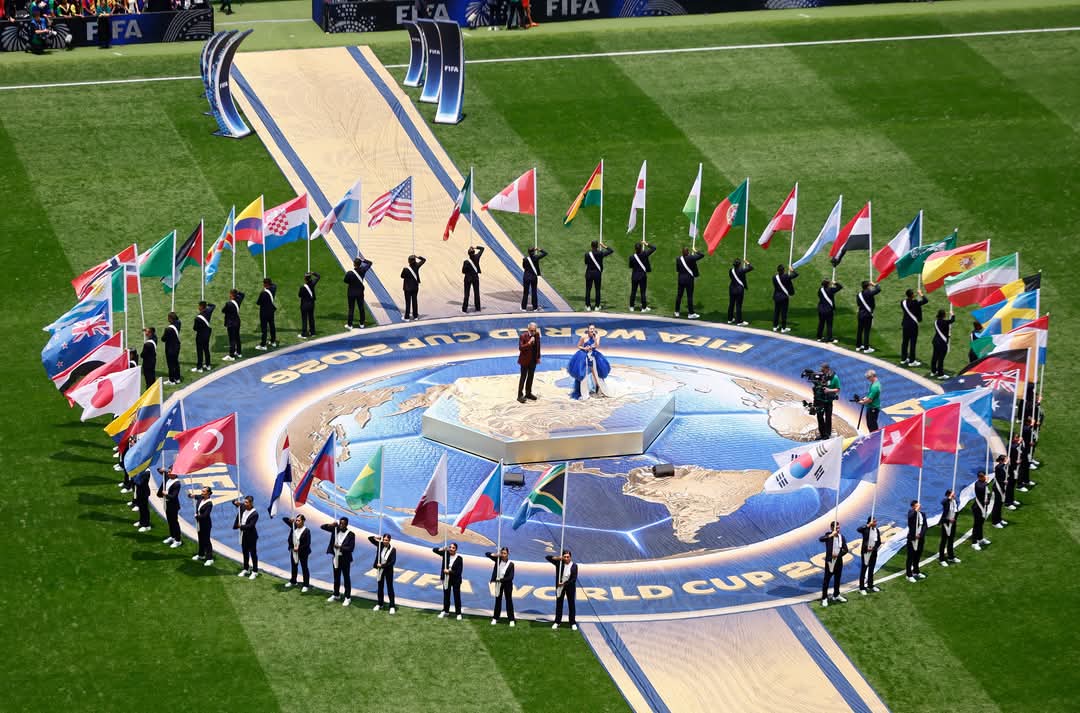
(Image source: FIFA)
(Views are personal)
