



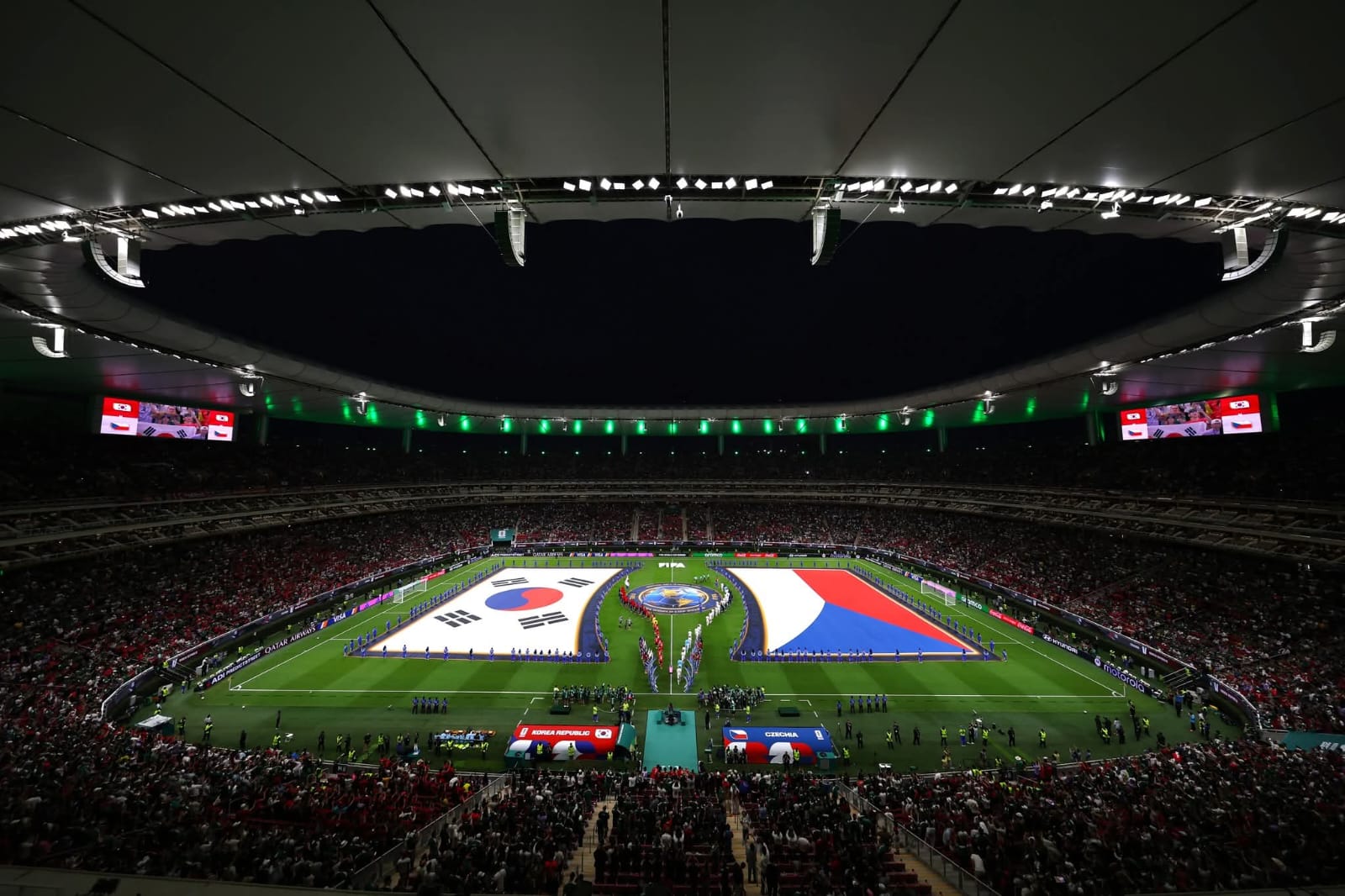
The 2026 FIFA Men’s World Cup began on 11 June and will last until 19 July, with matches taking place in the three host countries: Canada, the United States and Mexico. The International Federation of Journalists (IFJ) is closely monitoring any violations of the rights of journalists and media workers who are reporting on the tournament, and reiterates that journalists must be able to report freely and unhindered.
The following list documents incidents recorded by the IFJ and its affiliates during the 2026 World Cup from 11 June to 19 July.
On 11 June, Karine Alves, a Brazilian TV Globo journalist, denounced receiving a discriminatory treatment at US immigration controls when entering the country to cover the World Cup.
During an appearance on the TV programme Bom dia, Alves recounted how she had been removed from the regular immigration queue, treated rudely by US agents and subjected to searches, including having her hair checked. The journalist emphasised that these measures were only applied to Black people entering the country.
The Federação Nacional dos Jornalistas (FENAJ) condemned the incident and called for action to be taken against any constraints or restrictions on journalistic work during the World Cup.
The IFJ warned about threats to press freedom, visa restrictions on journalists and sexism and discrimination affecting media professionals covering the tournament; and reiterates that media professionals must be able to report unhindered.
IFJ President Zuliana Lainez said: ‘We are closely monitoring any infringements on the rights of journalists and media professionals during the World Cup. All media professionals have the right to carry out their work in conditions of safety, dignity and equality, free from any form of discrimination based on race, gender or national origin. Respect for press freedom and the rights of media professionals must be upheld at all times throughout the tournament.”
(An IFJ release)
(Pic courtesy: FIFA)
