



-Pratyusha Mukherjee
As a Bengali, I feel proud of the role and sacrifice of the Bengali community throughout the world, more particularly Bangladesh, in snatching the recognition of their Mother Language through a series of historic movements in the past. Language movement in erstwhile East Pakistan in 1952 and Silchar in Assam in 1961 deserve special mention.
I am also proud of their success in getting the 21st February recognised as the International Mother Language Day, but I am equally disheartened to see the negative role of the interim Government of Bangladesh in the recent past over observance of this Historic Day, for which the people will never forgive them.
Language may be just a way to communicate with each other but mother language is something that connects us with our culture.
How 21st February is important for BNP?
International Mother Language Day is crucial to the Bangladesh Nationalist Party (BNP) and its acting Chairman, Tarique Rahman, as it symbolizes his struggle against authoritarianism, the protection of Bengali identity, and the founding principles of democracy. It serves as a political cornerstone for upholding democratic values, sovereignty, and cultural heritage, while honoring the 1952 language movement martyrs.
SYMBOL OF DEMOCRACY AND FREEDOM:
Tarique Rahman has emphasized that the Language Movement laid the foundation for democratic aspirations, national sovereignty, and the 1971 Liberation War. It is used as a, call to uphold democracy and resist authoritarian, forces.
COMMITMENT TO NATIONAL IDENTITY :
The BNP highlighted the day to advocate for the proper cultivation of Bangla and the protection of Bangladesh’s unique cultural heritage against, foreign, or, domestic, interference.
POLITICAL TRIBUTE :
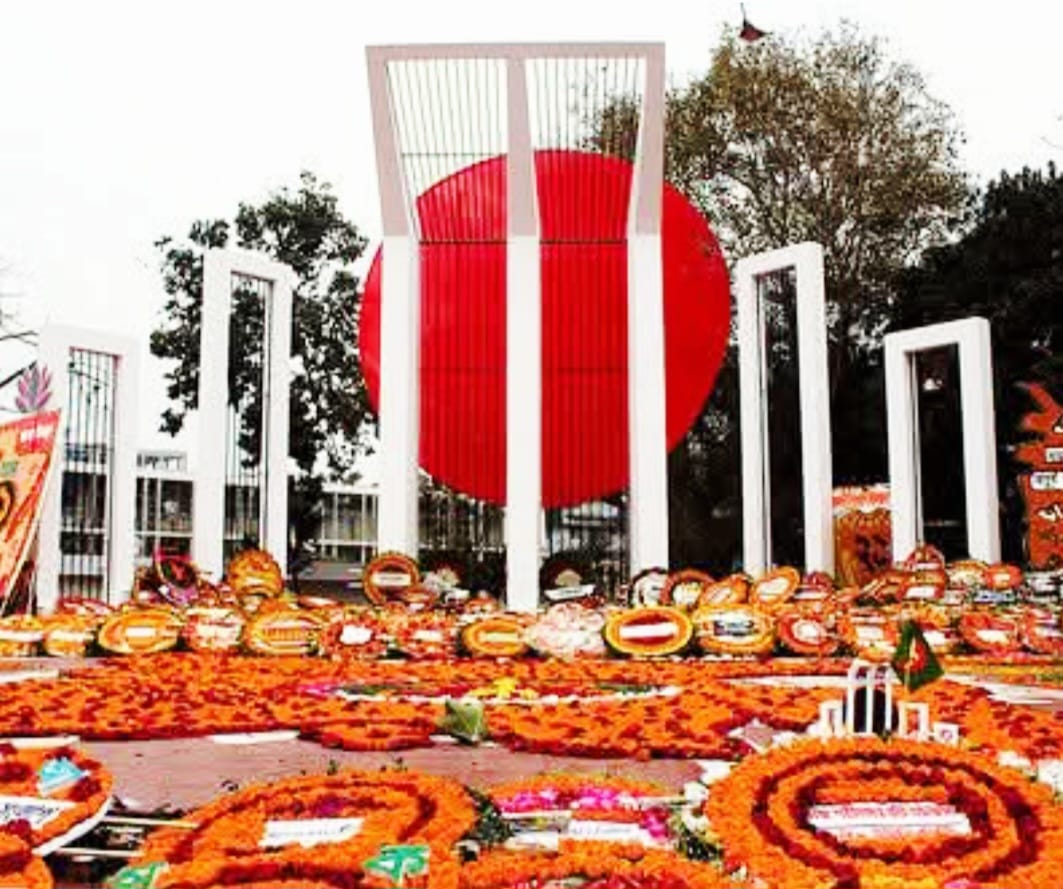
Tarique Rahman and the BNP leadership have consistently paid tribute to the Language Martyrs at the Central Shaheed Minar, reinforcing their dedication to the spirit of Ekushey (February 21).
GLOBAL RECOGNITION:
The party recognizes the UNESCO-declared day as a testament to the sacrifice of Bengali people and uses it to call for the preservation of linguistic diversity worldwide.
In his messages, Tarique Rahman has linked the 1952 sacrifices to the, “2024 mass uprising,”, asserting that the spirit of February 21 continues to inspire the, “struggle for a democratic, and, inclusive, state”.
Mr.Rahman remembered all the martyrs with deep respect saying, “On the blood-stained February 21, Dhaka University students shed their fresh blood to protect our mother tongue. Many including Salam, Barkat, Rafiq, and Jabbar sacrificed lives on that day.”
He added, “Language movement in 1952 intensified the path towards the country’s all democratic and self-determination struggles, ultimately leading to our national independence through a bloody war. The people were freed from shackles and regained a sovereign land.”
“Despite the country’s independence, authoritarian forces continue to conspire to impose their dominance over our language and culture, with an aim to serve a particular group, so that we cannot stand tall in the global community,” he said.
Tarique Rahman,the 11th Prime Minister of Bangladesh on February 17, 2026, even faced significant challenges in protecting national security and restoring order after nearly two years of political turbulence. While he has pledged a “safe land for people of all faiths”, “restoring law and order” a top priority, his ability to manage internal and external threats remains a subject of intense debate among analysts.
However, time will tell how much he could be able to protect Bangladesh from rebels but the occasion of International Mother Language Day must be celebrated with high spirits because every language deserves a lot of respect.
(All articles are original works of Ms.Pratyusha Mukherjee, and some news media also shared the same. Any modification or usage needs to be approved by her only)
