



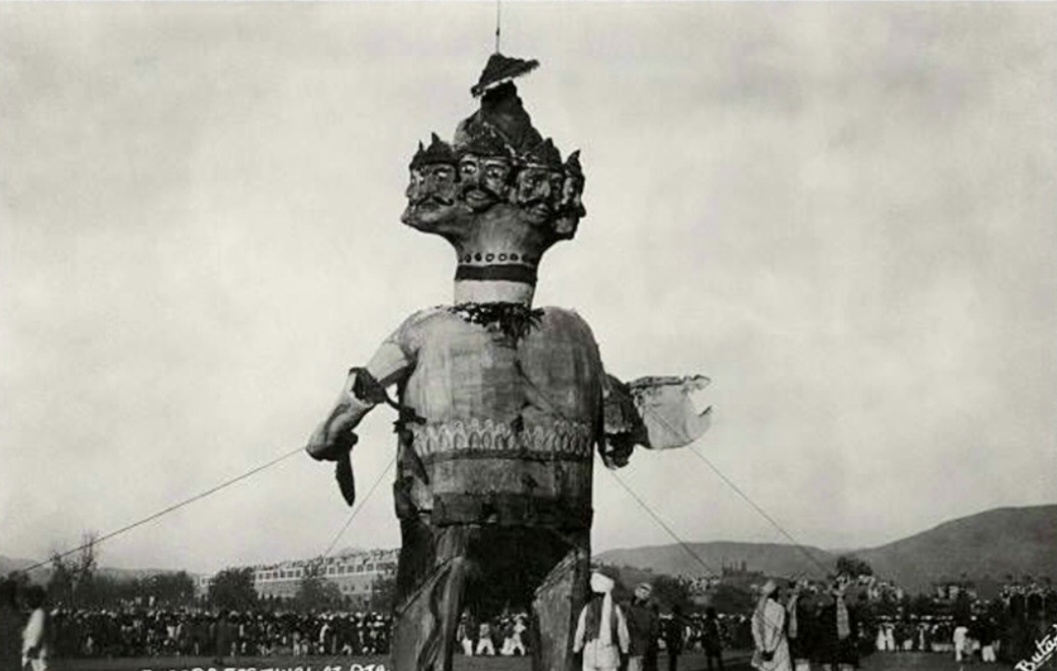
Dussehra in 1930s Balochistan: A Reminder of Religious Harmony and Coexistence
The historical memory of Dussehra celebrations in Balochistan during the 1930s offers a reminder of a time when Hindu communities reportedly observed their religious festivals openly, reflecting the region’s diverse cultural heritage and traditions of coexistence.
In a festive message marking Dussehra, Mir Yar Baloch, speaking on behalf of the self declared Republic of Balochistan, extended warm greetings to Hindu citizens of Balochistan, the Hindu community in India and Hindus across the world.
The message recalled accounts of Hindu communities celebrating Dussehra in Balochistan during the 1930s and highlighted the importance of religious freedom, mutual respect and peaceful coexistence among communities of different faiths.
Dussehra, also known as Vijayadashami, symbolises the triumph of good over evil and the victory of righteousness over injustice. For millions of Hindus, the festival represents hope, courage, renewal and the enduring belief that truth and goodness can prevail over adversity.
The message emphasised that the spirit of the festival extends beyond religious boundaries, serving as a reminder that every community deserves the freedom to practise its faith, preserve its cultural traditions and live with dignity and security.
Recalling Balochistan’s diverse cultural past, the statement expressed hope for a future in which people of all religious backgrounds can coexist peacefully, with their beliefs and traditions respected.
On the auspicious occasion of Dussehra, prominent Baloch leader Mir Yar Baloch conveyed wishes for peace, prosperity, happiness and renewed hope, extending greetings to all those celebrating the festival in Balochistan, India and around the world.
The message concluded with a call for religious harmony and peaceful coexistence, reaffirming the enduring significance of Dussehra’s central message: the triumph of good over evil.
(Article based on Mir Yar Baloch’s social media post)
