



-Pratyusha Mukherjee
The Swarupnagar sector along the India-Bangladesh border is considered one of the most sensitive stretches in North 24 Parganas. Following the recent political change,West Bengal Chief Minister Suvendu Adhikari announced several key decisions during the first Cabinet meeting, including a major initiative to begin land transfer within 45 days for the construction of barbed-wire fencing along unfenced portions of the Bangladesh border.
The announcement has brought a sense of relief among residents in the border areas of Basirhat subdivision, particularly in Swarupnagar. Sources said, nearly 14.5 kilometres of the border in this region still remain without fencing, raising long-standing security concerns.
Several villages, including Hakimpur, Bithari, and Nityanandakati, lie directly along the border. Locals have alleged that the absence of fencing has allowed illegal activities such as smuggling of gold, narcotics, phensedyl, and electronic goods to continue unchecked for years. There have also reportedly been multiple attacks on Border Security Force (BSF) personnel in the area.
The state government’s latest decision has generated hope among local residents, many of whom believe that the lack of fencing had made the border situation increasingly difficult to control.This illegal infiltration and smuggling are not only security concerns but also social problems. The situation would improve significantly if the fencing project is implemented effectively.
Local villagers welcomed the move, stating that strengthening border security is essential for national safety. They said improved fencing and surveillance would help reduce infiltration and smuggling while also improving law and order in the region.
More than 50 kilometres of border area in North 24 Parganas district still remain unfenced, leaving several stretches vulnerable. In response, the BSF has reportedly planned further land acquisition to strengthen security infrastructure.
A section of local farmers pointed out that many Indian cultivators own agricultural land near Panitar in Basirhat and across adjoining areas near Satkhira district in Bangladesh. They have been dependent on farming in these areas for decades. However, they stressed the need for quick land acquisition and fencing work in the remaining unfenced zones to ensure safety and uninterrupted agricultural activities.
Farmers believe stronger border security will reduce the risks of infiltration and smuggling, allowing them to continue cultivation without fear. With the government promising land transfer within 45 days, residents are now waiting to see how quickly the decision is implemented and whether it succeeds in resolving the region’s long-standing border security challenges.
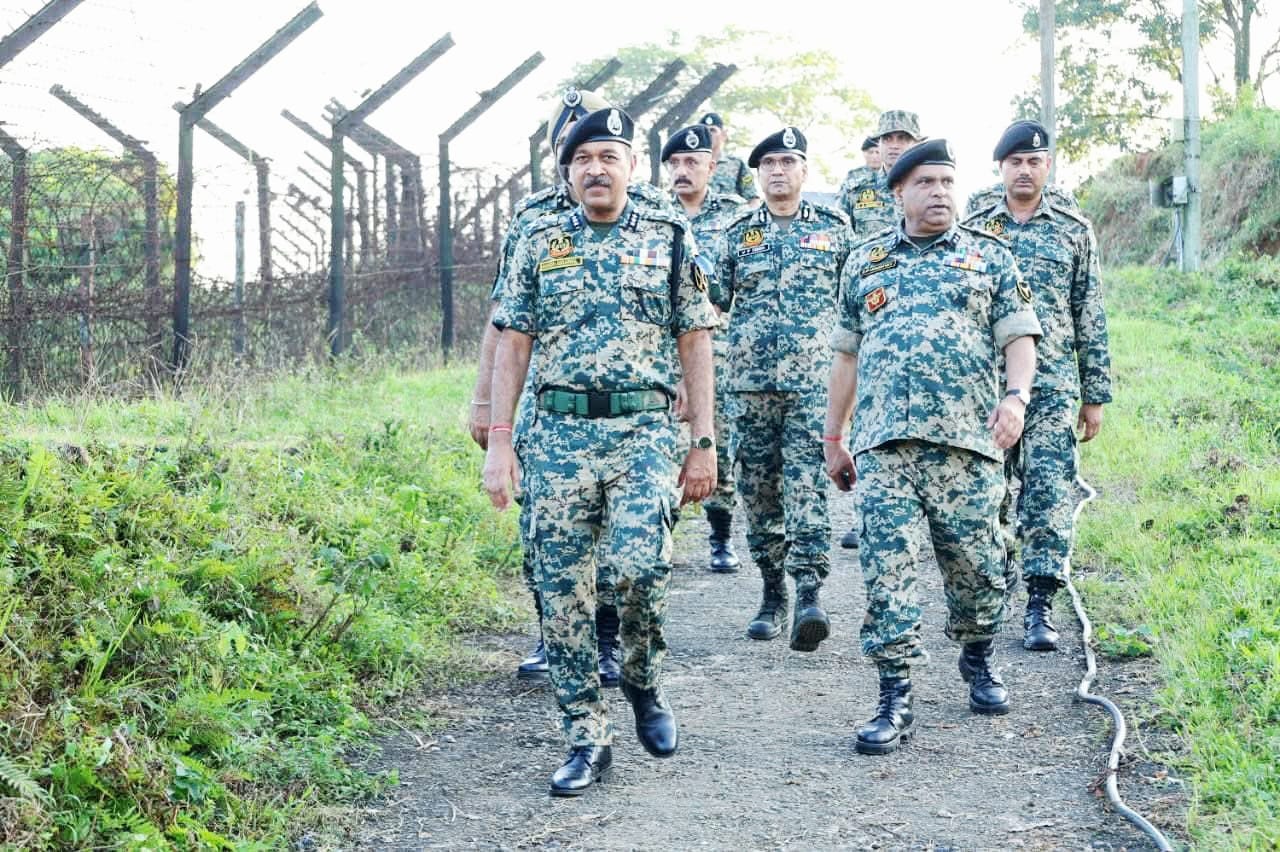
(Image used for representation purpose only)
