



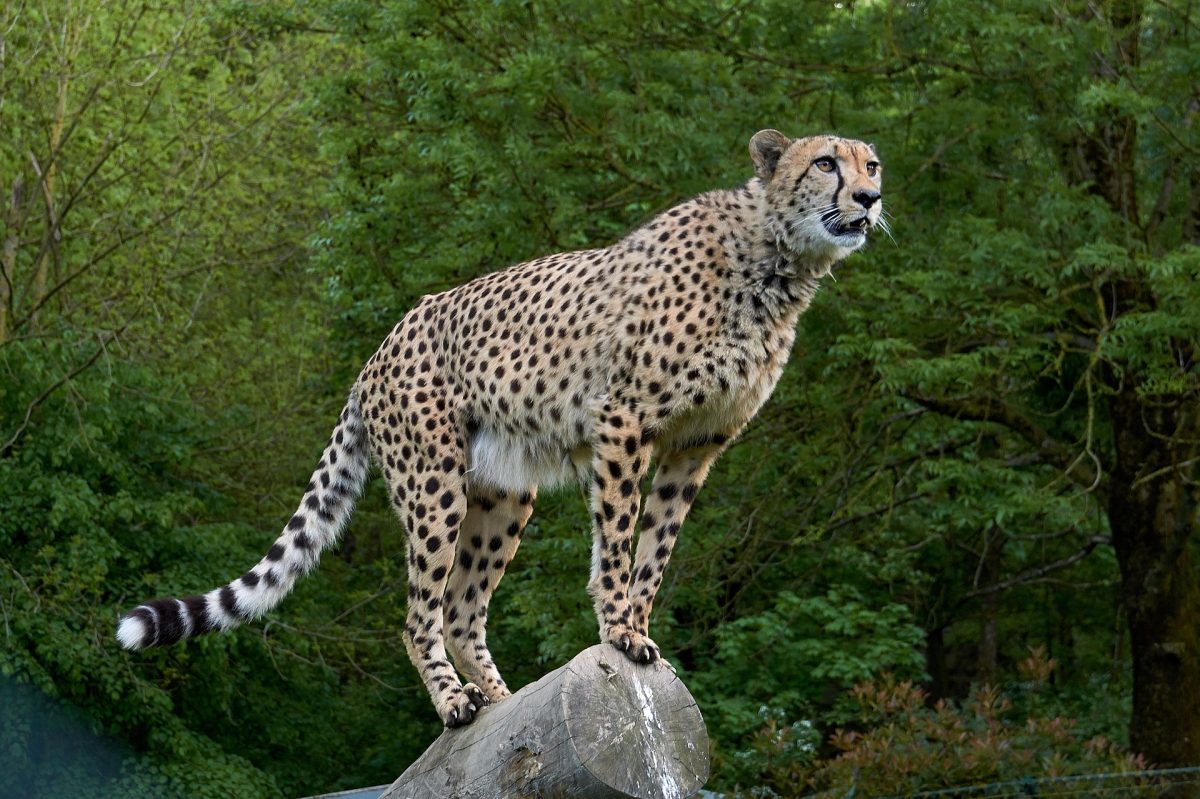
India’s cheetah population has increased to 52, four years after the species was reintroduced into the country from three African nations, marking the world’s first intercontinental translocation of large wild carnivores.
The cheetahs were brought to India from Namibia, South Africa and Botswana as part of the country’s cheetah reintroduction programme.
According to a status review titled “Four Years of Cheetahs in India,” a total of 32 cubs have been born in India since the programme began.
Of the 52 cheetahs currently in the country, 49 are in Kuno National Park and three are in Gandhi Sagar Sanctuary. The review covers the period from September 17, 2022, to September 17, 2026, and includes surviving cheetahs from Namibia and South Africa, their India-born offspring, and newly introduced cheetahs from Botswana.
Of the 12 South African cheetahs introduced on February 18, 2023, eight have survived. They have produced 10 India-born offspring, taking the total South African-origin population and its progeny to 18. Of these, 15 are currently in Kuno National Park and three in Gandhi Sagar Sanctuary.
Kuno National Park said the establishment of breeding females and the survival of second-generation cubs, four years into the programme, represent an important phase in the consolidation of India’s cheetah reintroduction efforts.
