




Sikkim’s strategic location in the eastern Himalayas has made high-altitude preparedness and resilient connectivity critical to both national security and disaster response. With key mountain passes such as Nathu La and difficult terrain extending across large parts of the state, extreme weather, steep gradients and limited access can pose significant challenges to the movement of personnel, equipment and essential supplies.
The 2017 Doklam standoff in the adjoining Bhutanese sector underscored how quickly developments in the high Himalayas can acquire wider strategic significance. For Sikkim, the episode reinforced the importance of dependable connectivity, robust infrastructure and the ability to respond rapidly to emerging contingencies along the frontier.
Natural disasters have added another dimension to the challenge. The October 2023 South Lhonak glacial lake outburst flood (GLOF) caused extensive destruction in the Teesta basin, damaging roads, bridges and other critical infrastructure. Repeated incidents involving floods, landslides and glacial hazards across the wider Himalayan region have highlighted the vulnerability of mountain transport networks and the need to build infrastructure capable of withstanding both natural disasters and emergencies.
Connectivity as a strategic enabler:
Sikkim has made significant progress in strengthening its transport network. Major projects include the Ranipool–Burtuk Gangtok Bypass and improvements to routes connecting Gangtok with North Sikkim and higher-altitude areas.
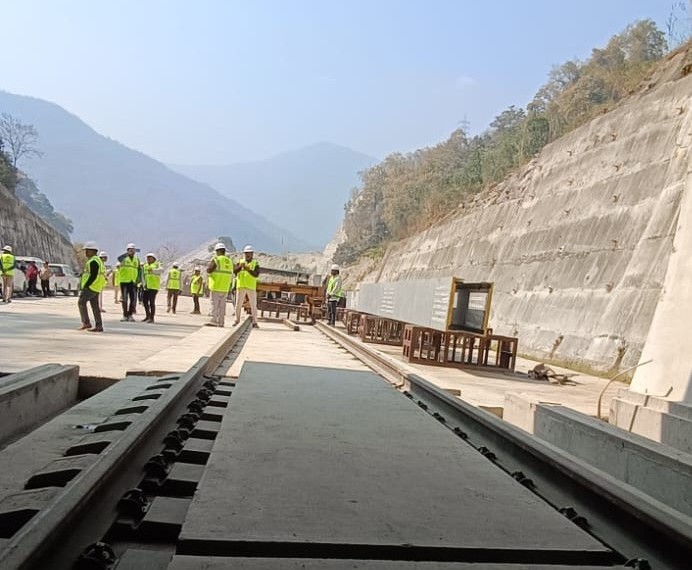
The 44.96-km Sevoke–Rangpo railway project, which will provide Sikkim with its first direct railway connection, was reported to be around 90 per cent complete in February 2026 and is targeted for completion by December 2027. The railway will complement the existing road network and Pakyong Airport, providing additional options for the movement of people and essential supplies.
The expansion of multiple transport links is particularly important in a mountainous state where a single damaged road or bridge can disrupt access to entire regions. Greater road, rail and air connectivity can therefore provide much-needed redundancy during both security contingencies and natural disasters.
BRO’s role in strengthening frontier infrastructure:
The Border Roads Organisation (BRO) has played a central role in improving strategic connectivity through Project Swastik. Over the decade up to 2025, the project completed more than 350 km of roads, 26 bridges and a tunnel in Sikkim.
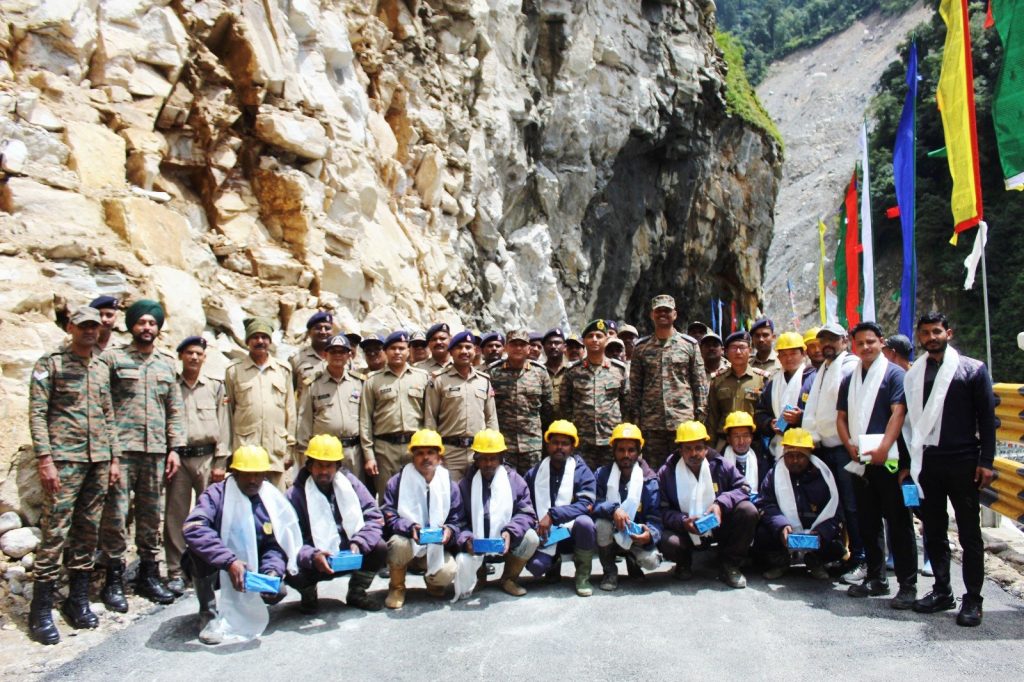
Additional works have been undertaken along the Western Sikkim Highway and on important routes towards North and East Sikkim. Bridges, tunnels, slope-stabilisation measures and avalanche-mitigation infrastructure are intended to improve access and enhance the reliability of transportation in some of the country’s most challenging terrain.
Such projects have significance beyond conventional infrastructure development. In high-altitude areas, the ability to move personnel, equipment and supplies quickly can be critical during a crisis, making road and bridge capacity an important component of frontier preparedness.
Technology adds another layer:
Technology is also emerging as an important element of mountain preparedness. Defence Minister Rajnath Singh, speaking at a BRO event in July 2026, highlighted the growing role of artificial intelligence, drones and autonomous systems in future warfare, while stressing that physical infrastructure—including roads, tunnels, bridges and airfields—would remain indispensable.
For Sikkim, the integration of modern surveillance systems, drones and secure communications with stronger physical infrastructure could improve situational awareness and response capabilities in remote and difficult-to-access areas.
Logistics remains the key test:
Ultimately, preparedness in the high Himalayas depends on logistics. Personnel deployed in high-altitude areas require a continuous supply of fuel, food, medicines, winter clothing, specialised equipment and other essential commodities.
A combination of improved road connectivity, the future rail link to Rangpo and aviation access through Pakyong could provide greater logistical flexibility. Multiple approaches are particularly valuable during periods when snowfall, landslides, floods or other emergencies disrupt individual routes.
