



-Pratyusha Mukherjee
The National Cadet Corps (NCC), widely regarded as the world’s largest voluntary uniformed youth organisation, is today emerging as one of India’s most significant force multipliers in nation building, civil preparedness and youth empowerment. With nearly two million cadets across the country, the organisation continues to shape disciplined, responsible and patriotic citizens while increasingly preparing young Indians to contribute meaningfully towards emerging national security, disaster response and societal challenges. With an annual offtake of trained youth in excess of five lakhs, this base is huge with transformative potential.
One year after Operation Sindoor — a defining moment in India’s national security landscape — the scale and strategic relevance of the NCC’s contribution has become even more evident. The operation showcased the immense potential of India’s organised youth power and demonstrated how trained cadets can effectively supplement national preparedness during periods of heightened threat.
Maharashtra NCC Leads Nationwide Push in Civil Defence, Drone Warfare Awareness, Cyber Preparedness and Disaster Response:
In an exclusive conversation Major General Vivek Tyagi, ADG NCC, Maharashtra Directorate said, “During Operation Sindoor, more than 75,000 NCC cadets across India were mobilised and integrated with state machinery for extensive civil defence preparedness and support measures. Comprehensive operational guidelines were issued, task-specific responsibilities identified and large numbers of cadets trained and rehearsed alongside civil administration, emergency services and local authorities.”
Cadets underwent practical exposure in crowd management, blackout drills, first aid, fire safety and rescue, air raid alarm procedures, traffic regulation, telephone centre operations, cyber vigilance, social media awareness, rumour control, information networking and broader societal safety measures. The exercises reflected how a disciplined and trained youth force can significantly support the security and resilience of civil populations and critical infrastructure.
Among the most proactive formations during the operation was the Maharashtra NCC Directorate, which undertook large-scale mobilisation across the state in view of the strategic importance and vulnerability of Mumbai, coastal cities and western sectors.
“With a cadet strength of nearly 1.5 lakh and a substantial trained alumni base, Maharashtra mobilised thousands of NCC cadets and staff, including a very large participation of girl cadets, in one of the country’s most comprehensive youth civil defence preparedness initiatives,” General Tyagi added.
The experience gained during Operation Sindoor has since led to the institutionalisation of several preparedness procedures and operational mechanisms.
Today, NCC cadets across Maharashtra are commemorating the first anniversary of the operation through awareness campaigns, outreach activities and public events aimed at reinforcing the enduring ethos of placing “Nation First”.
Simultaneously, Maharashtra NCC has accelerated preparations for emerging domains of warfare and national security. Dedicated Drone Training Hubs are being established across NCC units, with training already underway to familiarise cadets with operational, technical and tactical aspects of drone systems across all three wings.
General Tyagi recently reviewed the expanding drone infrastructure and training framework as units continue procurement of multiple categories of drones. The initiative seeks to create foundational awareness and technical orientation among youth towards technologies that are increasingly shaping future battlefields and security environments.In another major initiative, specialised cyber awareness, cyber security and cyber defender courses are set to commence for selected NCC cadets at Chhatrapati Sambhajinagar, Pune and Nagpur. The move reflects growing concern over cyber threats, misinformation warfare and digital vulnerabilities, particularly among youth populations.
At the same time, NCC Maharashtra has partnered with state narcotics agencies under the Nasha Mukt Abhiyan to launch awareness campaigns against substance abuse — a challenge increasingly recognised as a major societal threat affecting youth. These initiatives complement the organisation’s extensive social service and community development efforts including Swachh Bharat campaigns, ecological drives under Ek Ped Maa Ke Naam, anti-TB awareness programmes, blood donation camps and the Fit India movement — all contributing meaningfully towards the vision of Viksit Bharat.
The organisation has also significantly expanded its role in disaster response preparedness. Working closely with the National Disaster Management Authority (NDMA), the NCC has conducted extensive Yuva Aapda Mitra Scheme camps across 20 identified disaster-prone districts of Maharashtra.
More than 5,500 cadets have already undergone specialised disaster management training covering emergency response, rescue support, relief coordination and crisis management protocols. With NDMA conducting training and the National Disaster Response Force (NDRF) integrating cadet databases into preparedness frameworks, officials believe NCC cadets could emerge as one of the country’s fastest available organised volunteer response networks during emergencies.
The growing international interest in the NCC model is also becoming increasingly visible. Several foreign countries are now studying India’s experience in leveraging disciplined youth participation for nation building, societal resilience and national preparedness, with discussions underway on adopting similar best practices. Recently, a high-powered delegation from Mauritius visited the Maharashtra and Gujarat NCC Directorates, where Major General Vivek Tyagi, ADG Maharashtra, presented the Indian NCC framework and proposed the development of integrated NCC-like youth structures suited to the unique security and societal requirements of an island nation. The proposal highlighted how trained and disciplined youth, when effectively linked with national institutions and emergency response mechanisms, can become a major strategic asset for countries facing complex contemporary challenges.
Simultaneously, the organisation is broadening career opportunities for cadets through partnerships with the Ministry of Corporate Affairs and state skilling agencies under the Prime Minister Internship Scheme. Maharashtra Directorate has been nominated by HQ DG NCC to host the first such camp in Pune, where leading corporates are expected to offer structured, paid and job-oriented internships to NCC cadets. Awareness campaigns and planning for the initiative are already underway.
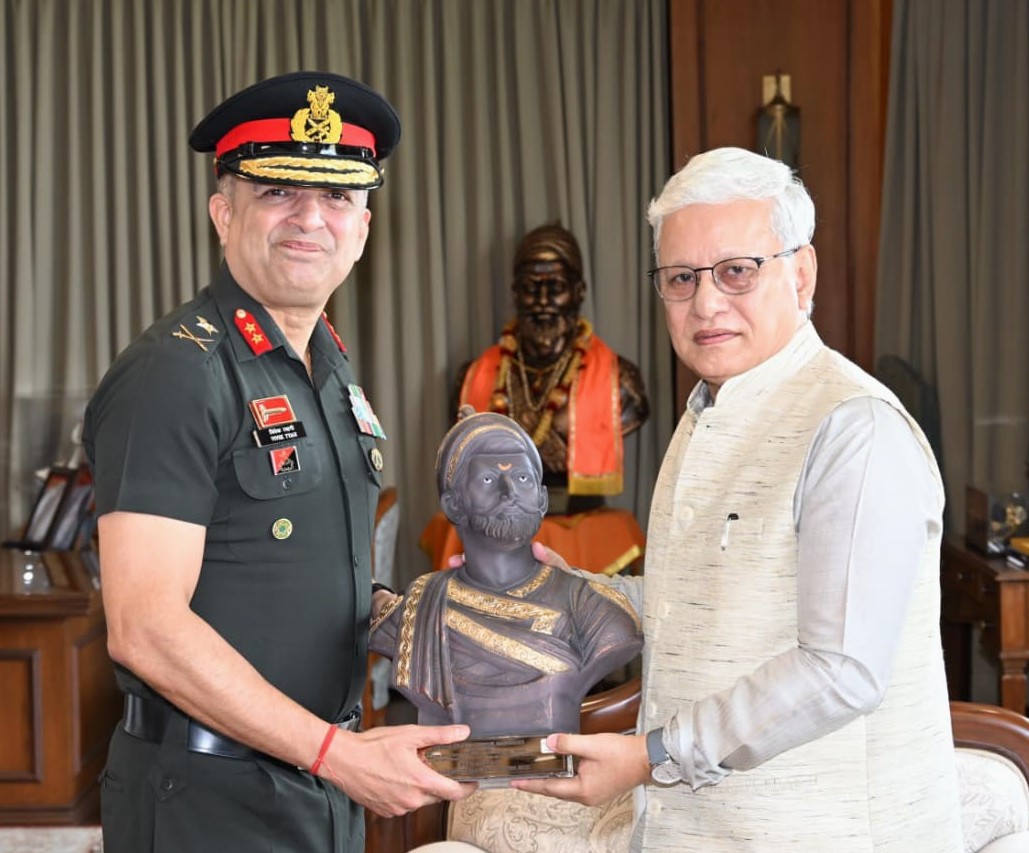
In a recent high-level meeting chaired by the Governor of Maharashtra,Shri Jishnu Dev Varma ,state authorities were directed to extend maximum infrastructure and institutional support to the NCC’s expanding nation-building initiatives.
As India navigates an increasingly complex security and developmental environment, General Vivek Tyagi’s contribution as ADG NCC Maharashtra and the NCC’s evolving role reflects a larger national vision — harnessing the energy, discipline and idealism of youth as a strategic national asset.
One year after Operation Sindoor, that transformation is no longer conceptual. It is visible, organised and already under way!
(Story based on an exclusive interaction with Major General Vivek Tyagi)
