



– by Pratyusha Mukherjee
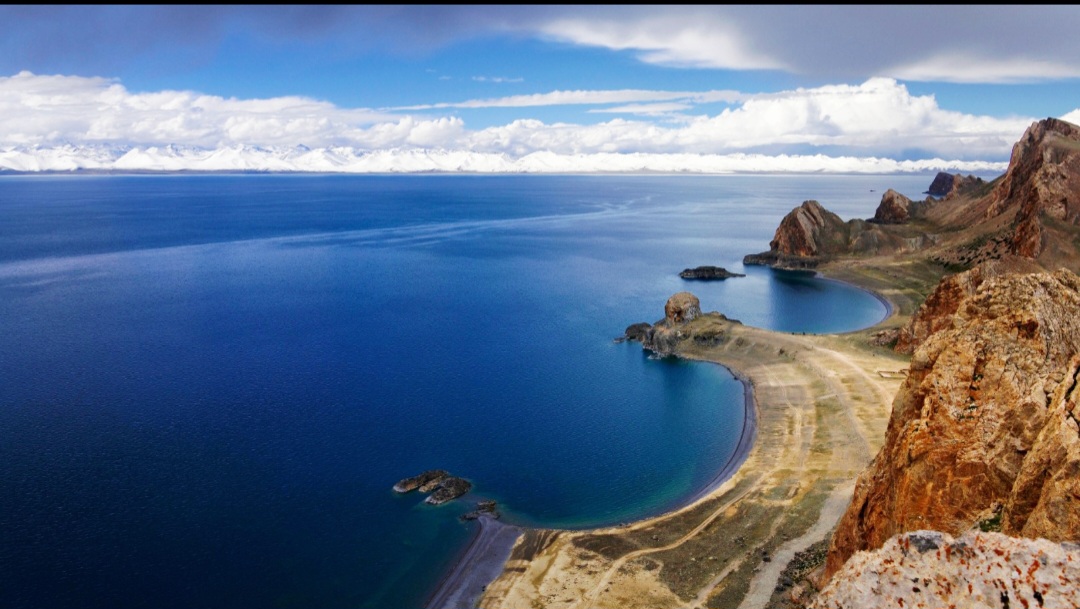
High on the Tibetan Plateau, approximately 240 kilometres northwest of Lhasa, lies Namtso, a vast saline lake covering about 1,920 square kilometres at an elevation of 4,718 metres. Known in Tibetan as gnam mtsho, meaning “Heavenly Lake,” Namtso carries a name deeply rooted in the landscape and spiritual traditions of Tibet. Nam refers to the sky or heaven, while tso means lake. Historically, Mongolian pilgrims called it Tengri Nor, a name conveying the same celestial meaning.
Yet this ancient name faces a distinctly modern challenge. As global maps, travel databases, and digital platforms proliferate, inconsistent or erroneous renderings of the lake’s name can obscure its linguistic origins and cultural significance. What may appear to be a minor naming error can, through endless repetition, gradually detach a place from the history and traditions embodied in its name.
Namtso has long been inseparable from the spiritual and everyday lives of the people who inhabit the surrounding highlands. In the ancient Bön tradition, which predates the institutional spread of Buddhism in Tibet, the lake is regarded as the dwelling place of powerful spirits. Its sacred landscape is closely connected to the neighbouring Nyenchen Tanglha mountain range, whose snow-covered peaks rise dramatically above the lake. The mountains themselves are revered as divine beings, creating a spiritual relationship between the waters, the peaks, and the people who live among them.
With the spread of Buddhism across Tibet, many of these earlier traditions were incorporated into Buddhist practice, further establishing Namtso as an important pilgrimage destination. Devotees undertake kora, or ritual circumambulation, around the lake’s shores. The pilgrimage takes on particular significance during the Tibetan Year of the Sheep, when pilgrims may travel enormous distances and perform repeated full-body prostrations as acts of devotion.
The Tashi Dor Peninsula forms one of the principal spiritual centres of the Namtso landscape. Its meditation caves and monasteries, associated with the Nyingma tradition of Tibetan Buddhism, have attracted practitioners for generations. Beyond these sacred sites, the surrounding grasslands remain home to the Drokpa, traditional nomadic pastoralists whose livelihoods have long depended on herding yaks and sheep across the high-altitude plateau.
Modern development, however, is transforming this fragile environment. Improved roads have made Namtso increasingly accessible to visitors, creating valuable economic opportunities for local communities while also placing new pressure on the ecosystem. Growing tourist numbers have contributed to waste-management problems and increased disturbance to wildlife, including the Tibetan antelope and the black-necked crane.
These local pressures exist within a much larger environmental crisis. The Tibetan Plateau is often described as the “Third Pole” because of its enormous reserves of snow and ice, and the region is experiencing rapid climatic change. As a closed saline lake with no outlet to the sea, Namtso is particularly sensitive to changes in the balance between precipitation, evaporation, and meltwater. Researchers have observed fluctuations in water levels and changes in precipitation patterns, while the glaciers of the Nyenchen Tanglha range are being affected by a warming climate.
The future of Namtso therefore depends on protecting two inseparable forms of heritage: its vulnerable alpine ecosystem and the cultural identity embedded in its landscape and name. Preserving the lake requires more than managing tourism and monitoring environmental change. It also means recognizing the historical and linguistic traditions that have connected generations of pilgrims and pastoralists to these waters.
Maintaining the name Namtso—the Heavenly Lake—is part of that preservation. For Tibetan Buddhists, Bön practitioners, local communities, and those who study the region’s history, the name carries centuries of memory and spiritual meaning. Ensuring that it remains accurately represented in maps, scholarship, media, and public records can help keep that heritage visible, allowing the story of the Heavenly Lake to endure alongside its waters and mountains for generations to come.
