



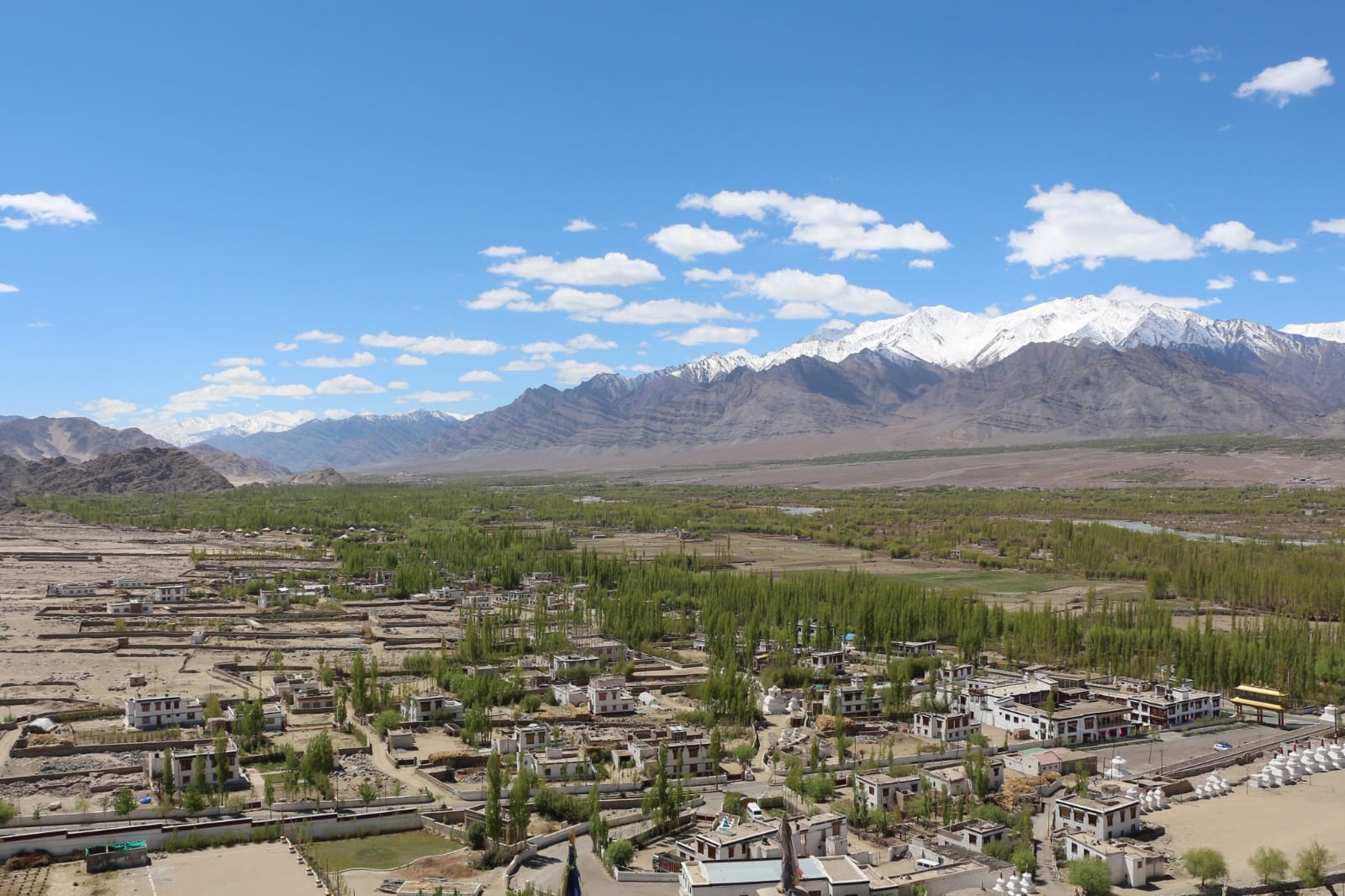
India is set to establish a new global milestone in cricket infrastructure with the proposed construction of the world’s highest cricket stadium in Ladakh. Planned at an altitude of approximately 3,600 metres (11,800 feet) above sea level in Thiksey, near Leh, the venue is expected to become the highest cricket ground in the world upon completion.
The proposed facility, likely to be named the Ranbirpur Cricket Stadium, is currently in the Detailed Project Report (DPR) and tendering stage. The project is estimated to cost between ₹100 crore and ₹116 crore, with the Ladakh administration already inviting tenders for the preparation of the DPR.
Designed to meet international standards, the stadium is expected to feature specialised engineering solutions suited to Ladakh’s extreme weather conditions and high-altitude environment. The infrastructure will prioritise player safety while ensuring year-round usability despite the region’s challenging climate.
The initiative is aimed at strengthening sports infrastructure in the Union Territory, encouraging greater youth participation, and integrating remote Himalayan regions into India’s expanding sporting ecosystem. The stadium is also expected to host high-altitude training camps, domestic tournaments, and talent development programmes, creating new opportunities for aspiring athletes from Ladakh and neighbouring areas.
Beyond cricket, the project is expected to boost sports tourism in the Himalayas by attracting athletes, teams, and visitors seeking unique high-altitude training and competition experiences. Officials believe the development will contribute to the region’s economic growth while reinforcing India’s commitment to expanding world-class sporting facilities across diverse geographical landscapes.
Once completed, the Ranbirpur Cricket Stadium is expected to stand as a landmark achievement in Indian sports infrastructure, combining engineering innovation with the promotion of grassroots sports and adventure tourism in one of the world’s most spectacular mountain regions.
(Image source: Wikimedia Commons)
(Pic: Thiksey village)
