



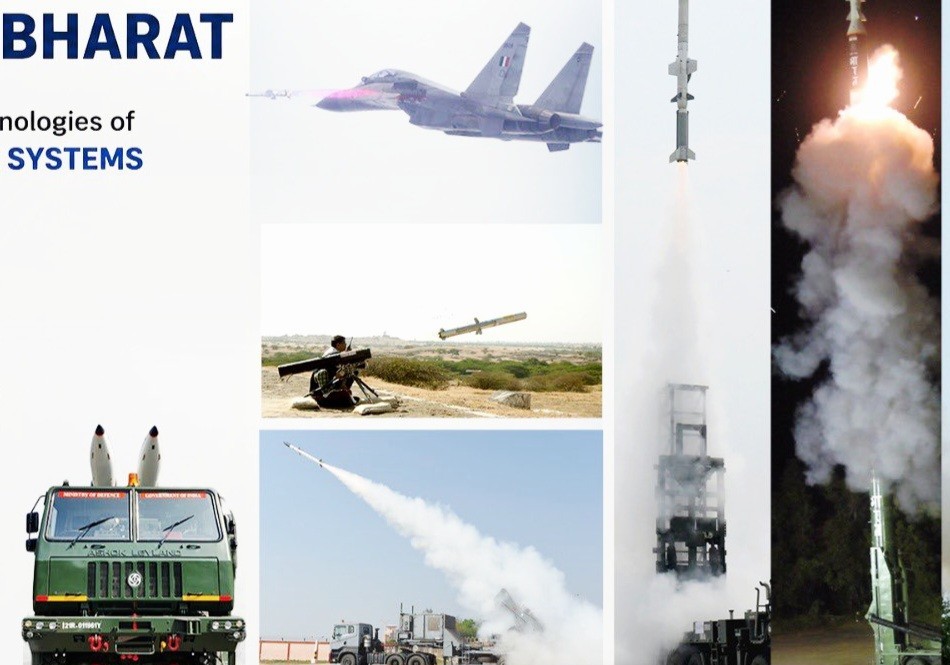
The decision to transfer DRDO-developed technologies for all conventional missile systems to domestic industries marks a significant milestone in India’s journey towards defence self-reliance.
This move can transform indigenous missile development into large-scale domestic production, giving Indian companies greater access to advanced defence technologies while strengthening the country’s manufacturing capabilities.
Accelerating Indigenous Production:
Technology transfer will enable domestic defence companies to adopt mature DRDO technologies and expand production more rapidly. It can help bridge the crucial gap between research and development and industrial-scale manufacturing.
A stronger domestic production base will also give the armed forces greater access to indigenous systems while reducing dependence on foreign suppliers.
Empowering MSMEs and Industry:
The initiative could create substantial opportunities for India’s MSMEs and private defence manufacturers. Missile production involves a wide range of components, electronics, precision engineering, materials and specialised systems, creating opportunities for hundreds of domestic suppliers.
This can encourage companies to invest in advanced manufacturing, improve quality standards and become part of a stronger defence supply chain.
Increasing Domestic Value Addition:
True self-reliance goes beyond assembling weapons in India. It requires manufacturing critical components and subsystems domestically.
DRDO technology transfer can help Indian industry move higher up the value chain, increasing domestic content and technological capability while gradually reducing reliance on imported components and expertise.
Strengthening Strategic Autonomy:
A robust indigenous missile industry has direct strategic importance. Greater domestic manufacturing capacity can reduce vulnerabilities arising from international supply-chain disruptions, export restrictions and geopolitical uncertainties.
It can also allow India to maintain, upgrade and expand its missile capabilities with greater control.
From Technology to Industrial Capability:
The broader objective is to create a sustainable cycle:
DRDO innovation → technology transfer → domestic production → industrial expertise → further innovation.
If supported by consistent procurement, investment, testing infrastructure and skilled manpower, this ecosystem can strengthen India’s defence-industrial base for decades to come.
The initiative is therefore much more than a technology-transfer exercise. It represents a strategic opportunity to convert Indian defence research into Indian industrial strength—accelerating missile production, empowering MSMEs, increasing domestic value addition and reducing import dependence.Ultimately, it can take India another major step closer to a self-reliant, technologically advanced and future-ready defence ecosystem.
