



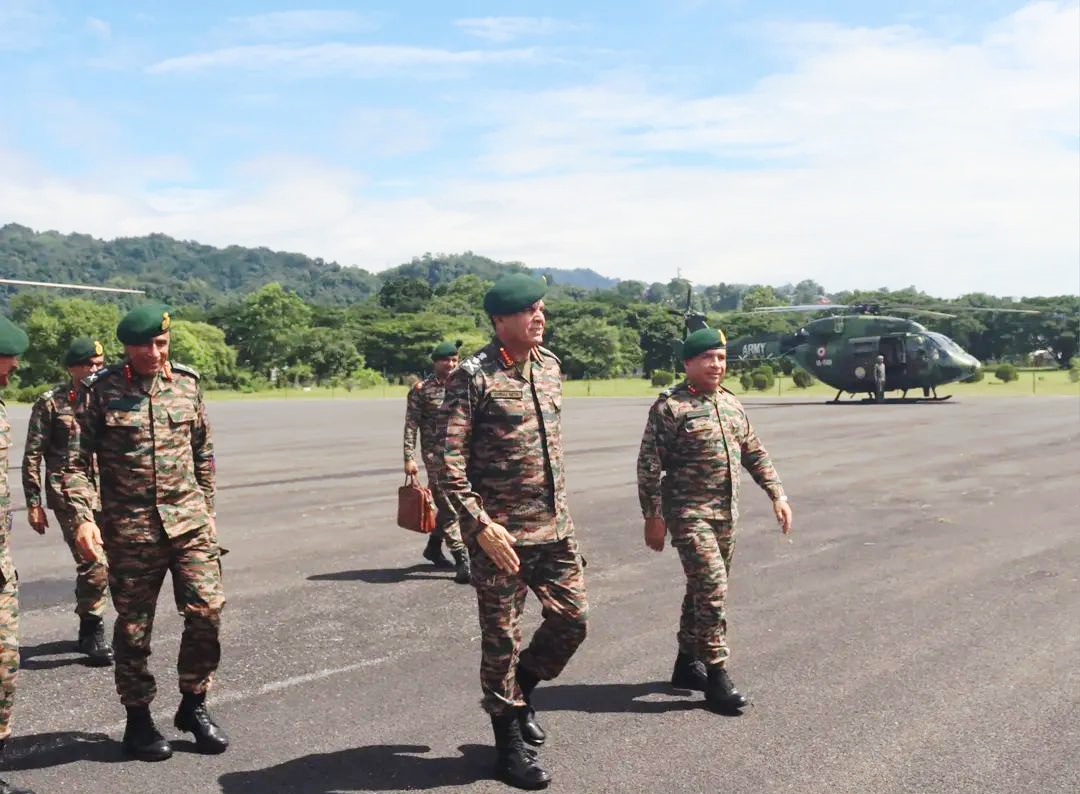
Chief of the Army Staff (COAS) General Dhiraj Seth’s visit to the Spear Corps on 2 September highlighted a central imperative for the Indian Army: operational readiness must increasingly be built on the seamless integration of infrastructure, technology, information and human capability. His review of the formation’s preparedness and ongoing border development initiatives underlined the need to translate these elements into tangible combat effectiveness on the ground.
During the visit, the COAS was briefed on the operational readiness of formations, capability-development measures and initiatives aimed at strengthening combat capability. The review comes against a security environment in which the speed of decision-making, mobility, situational awareness and the ability to sustain forces in forward areas can be decisive.
The significance of the visit, therefore, extends beyond a routine assessment of preparedness. It reflects an operational approach in which readiness is viewed as an integrated system rather than a collection of individual capabilities.
Infrastructure as Combat Capability:
The progress of border development initiatives is an important component of this approach.In forward areas, infrastructure directly influences military mobility, logistics and the ability to sustain deployed formations. Roads, connectivity and supporting facilities can determine how rapidly troops and equipment can be moved, how reliably supplies can be maintained and how effectively formations can respond to changing operational requirements.Infrastructure consequently functions as an operational multiplier. Its value is measured not simply in kilometres of roads constructed or facilities established, but in the additional speed, flexibility and resilience it provides to military operations.For formations operating in difficult terrain, this relationship between infrastructure and combat readiness is particularly significant.
Information as Operational Advantage:
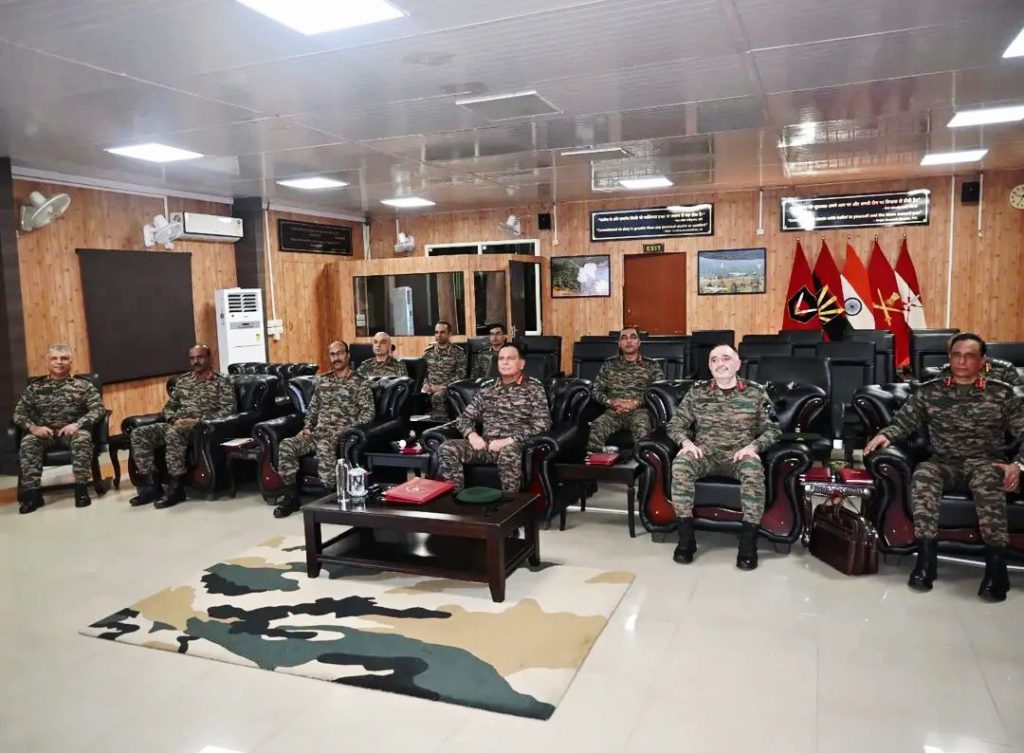
The second pillar of readiness is the ability to connect combat elements and exploit information rapidly.
The Army’s Year of Networking and Data Centricity places greater emphasis on linking operational formations and improving the flow of information. On an increasingly transparent and fast-moving battlefield, the ability to establish situational awareness and convert information into timely decisions can provide a critical operational advantage.The objective of networking is therefore not technology for its own sake. Its real measure is whether information can move quickly enough to support commanders and combat elements when decisions matter most.This makes connectivity and data exploitation an increasingly important part of combat power alongside conventional platforms and weapon systems.
Capability Must Translate into Effect:
The briefing on capability development also points to a broader principle: induction alone does not create military advantage; integration does.New equipment, surveillance systems and communications capabilities deliver their full potential only when supported by appropriate training, logistics, command-and-control structures and skilled personnel. The ability to combine these components into a coherent operational system determines their actual battlefield value.
This is where the Army’s wider transformation agenda acquires practical significance. The purpose of modernisation is not simply to possess newer technologies, but to make formations faster, better connected and more responsive without compromising their core operational strengths.
The Soldier Remains the Critical Link:
Technology and infrastructure ultimately depend on people.
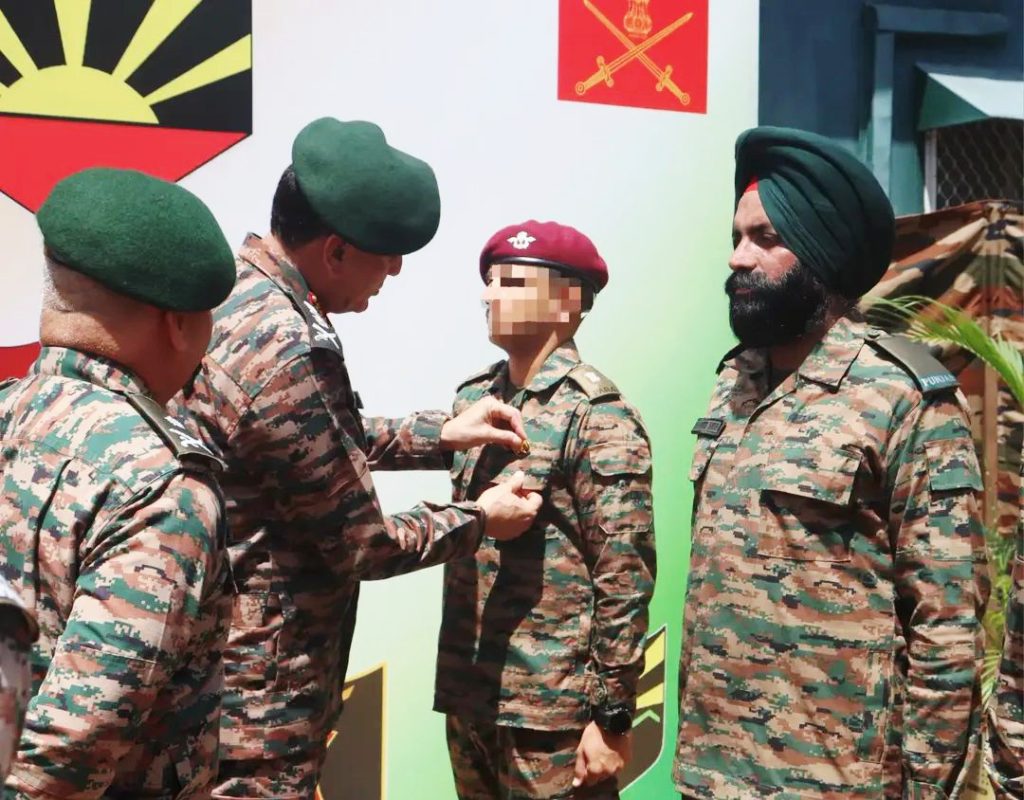
During the visit, General Dhiraj Seth commended all ranks for their professionalism and unwavering commitment and exhorted them to remain vigilant, agile and mission-focused. He also called upon personnel to continue striving for excellence while maintaining the highest standards of operational preparedness.
The emphasis is important because technological superiority cannot substitute for professional competence. Soldiers and commanders must be capable of operating effectively amid uncertainty, adapting to changing circumstances and exploiting available technologies under pressure.Human capability is therefore not separate from technological transformation—it is what converts technology and infrastructure into operational effect.
From Preparedness to Persistent Readiness:
The broader message from the Spear Corps is that readiness must be continuous.This integrated approach is particularly relevant to the Army’s evolving preparation for future warfare, where operations are likely to demand faster decisions, greater information integration and the ability to function across increasingly contested domains.
The Strategic Takeaway:
General Dhiraj Seth’s visit to the Spear Corps therefore carried a message that goes beyond maintaining a high state of alert. It underscored the need to build credible, resilient and responsive combat formations by bringing together physical infrastructure, networked information, modern capabilities and professional military expertise.
The Army’s transformation agenda will ultimately be judged not by the number of new systems introduced or initiatives launched, but by whether these investments produce measurable improvements in operational effectiveness.
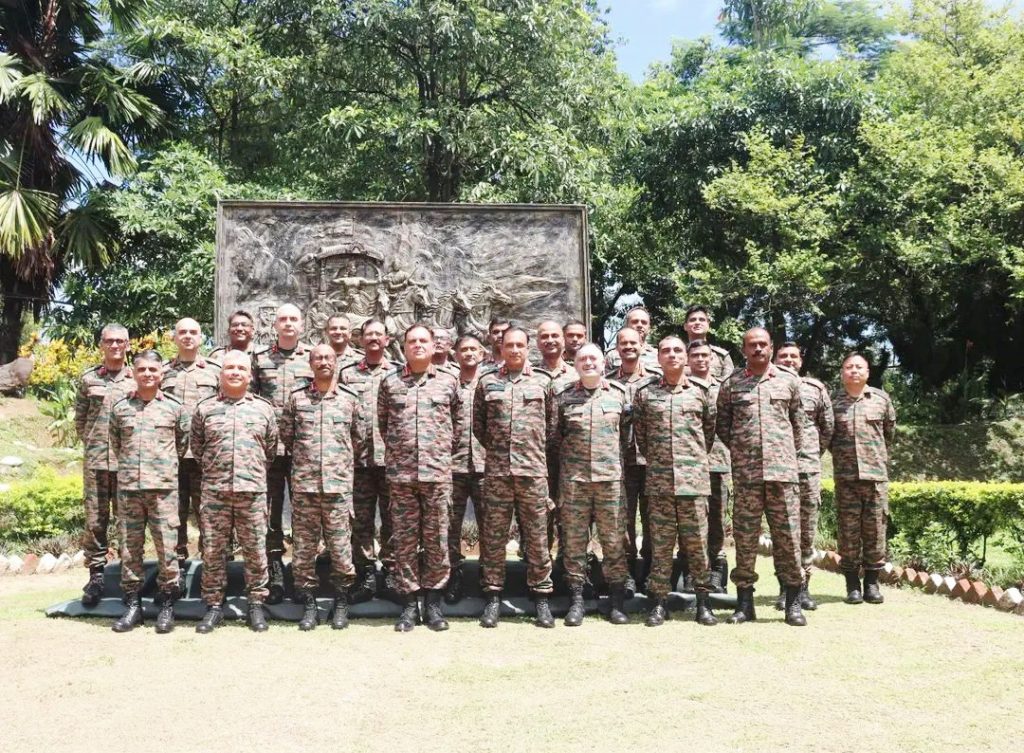
At the Spear Corps, the emphasis remains clear: build the infrastructure to move, the networks to know, the capabilities to act and the professional strength to prevail.That is the real measure of operational preparedness—and the practical direction of the Indian Army’s continuing evolution into a more integrated and future-ready force.
