



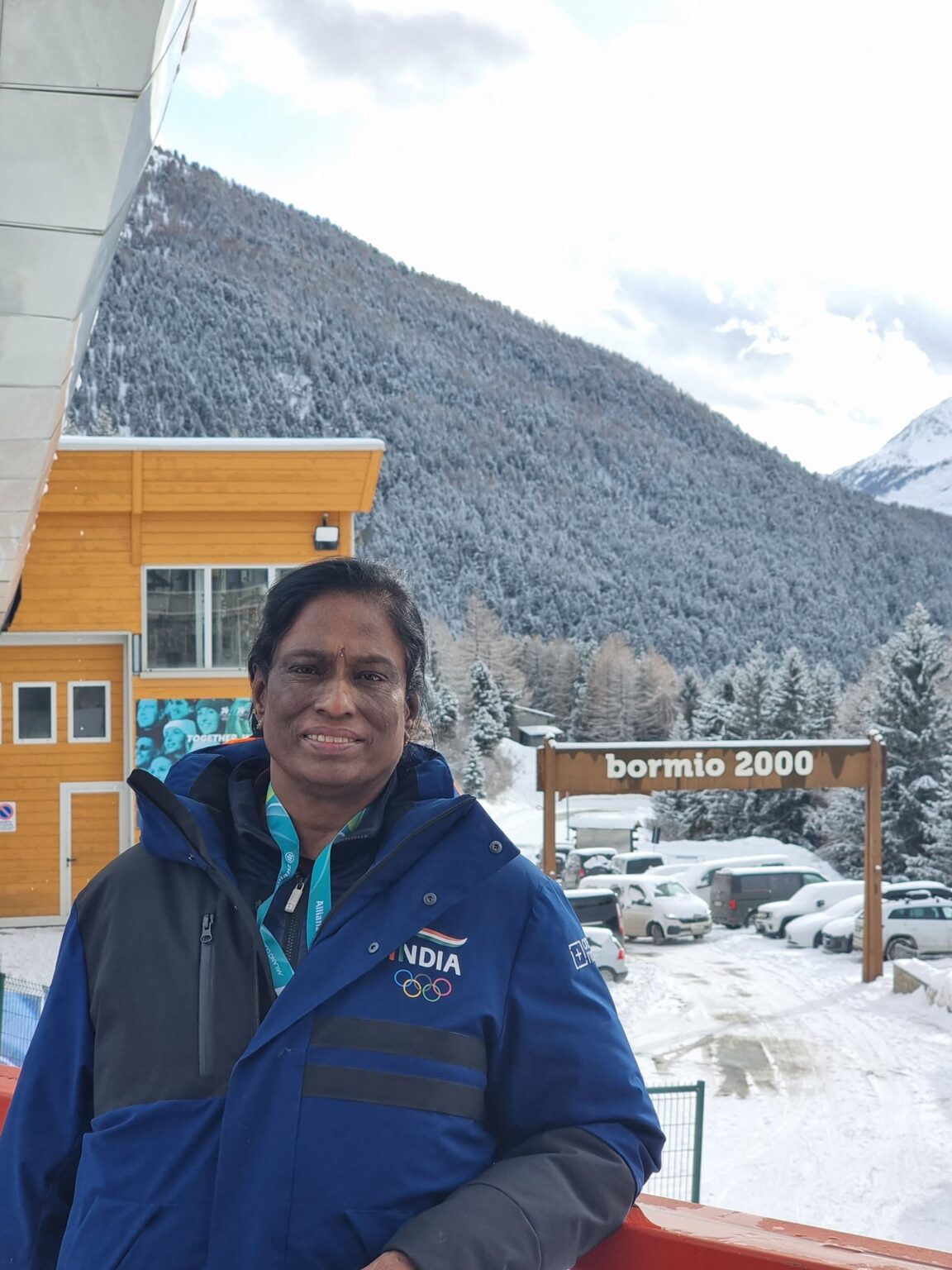
Calling for stronger athlete-centric governance in Indian sport, Indian Olympic Association (IOA) president PT Usha on Sunday said the future of the country’s sporting ecosystem must be guided by policies that place athletes at the centre of decision-making.
Speaking on Day 3 of the Golden Jubilee celebrations of a National Convention at the India Habitat Centre, Usha said ensuring the preparation, welfare and development of athletes must remain the highest priority for administrators and sporting bodies.
“Athlete-first governance must guide the future of Indian sport. Their preparation, welfare and development must remain our highest priority,” Usha said while addressing members of the sports media fraternity.
Reflecting on India’s evolving sporting landscape, Usha said the country stood at a significant moment in its sporting journey, with improved infrastructure, better scientific training and stronger institutional support helping athletes compete confidently on the global stage.
“Over the past decade, we have witnessed a transformation in the way sport is supported and celebrated in our country. Athletes today benefit from better infrastructure, scientific training and stronger institutional support,” she said.
Highlighting the importance of grassroots development, Usha said the true strength of Indian sport lay in the villages, towns and schools where young talent continued to emerge.
“The real strength of Indian sport lies in the grassroots — in the villages, towns and schools where young talent is waiting to be discovered. If we continue to invest in coaching, infrastructure and talent identification, India can consistently produce world-class athletes,” she added.
Usha also acknowledged the role played by sports journalism in shaping the sporting ecosystem and inspiring young Indians to pursue sport. “Sports journalists are not just reporters of results but storytellers who capture the struggles, emotions and triumphs of athletes. Responsible and insightful sports journalism strengthens the foundations of sport in our country,” she said.
Speaking during a panel discussion at the convention, IOA CEO Raghuram Iyer said India is currently at a pivotal stage in its sporting journey, with growing ambition, investment and participation shaping the country’s future as a sporting nation.
“I think India is currently at an inflection point in sport. We have the ambition and there is significant effort being put behind ensuring that those ambitions are met,” Iyer said.
He said building a strong grassroots ecosystem was central to sustaining the country’s rise in sport, beginning with encouraging mass participation and community-level engagement. “We need to create an entire sporting ecosystem where more people participate in sport at the community level. Once that base is created, the most talented athletes must be given the resources and support required to reach the highest level,” he said.
Iyer also highlighted India’s growing ambition to host major international sporting events as part of a broader strategy to strengthen infrastructure and elevate the country’s global sporting profile.
“As a nation we are also looking at hosting major international events. The Commonwealth Games and other global competitions are part of that vision as India builds the foundation to host the Olympic Games in the future,” he added.
