



Birders in Cachar marked Endemic Bird Day on Friday with a special Bird Count Drive. Organised annually by Bird Count India, the event encourages documentation of endemic and range-restricted birds through citizen-science platforms such as eBird.
In Masimpur Military Station, this was done to promote awareness towards conservation of avian biodiversity and protection of rare bird species found in the Cantonment. The drive witnessed enthusiastic participation by Military personnel, nature enthusiasts, families, volunteers and local birders who carried out bird observation and documentation across various ecological pockets within and around the Military Station premises. The campus and adjoining areas still retain stretches of relatively undisturbed evergreen forest, providing important habitat for several forest-dependent bird species and reflecting the rich biodiversity of the Barak Valley.
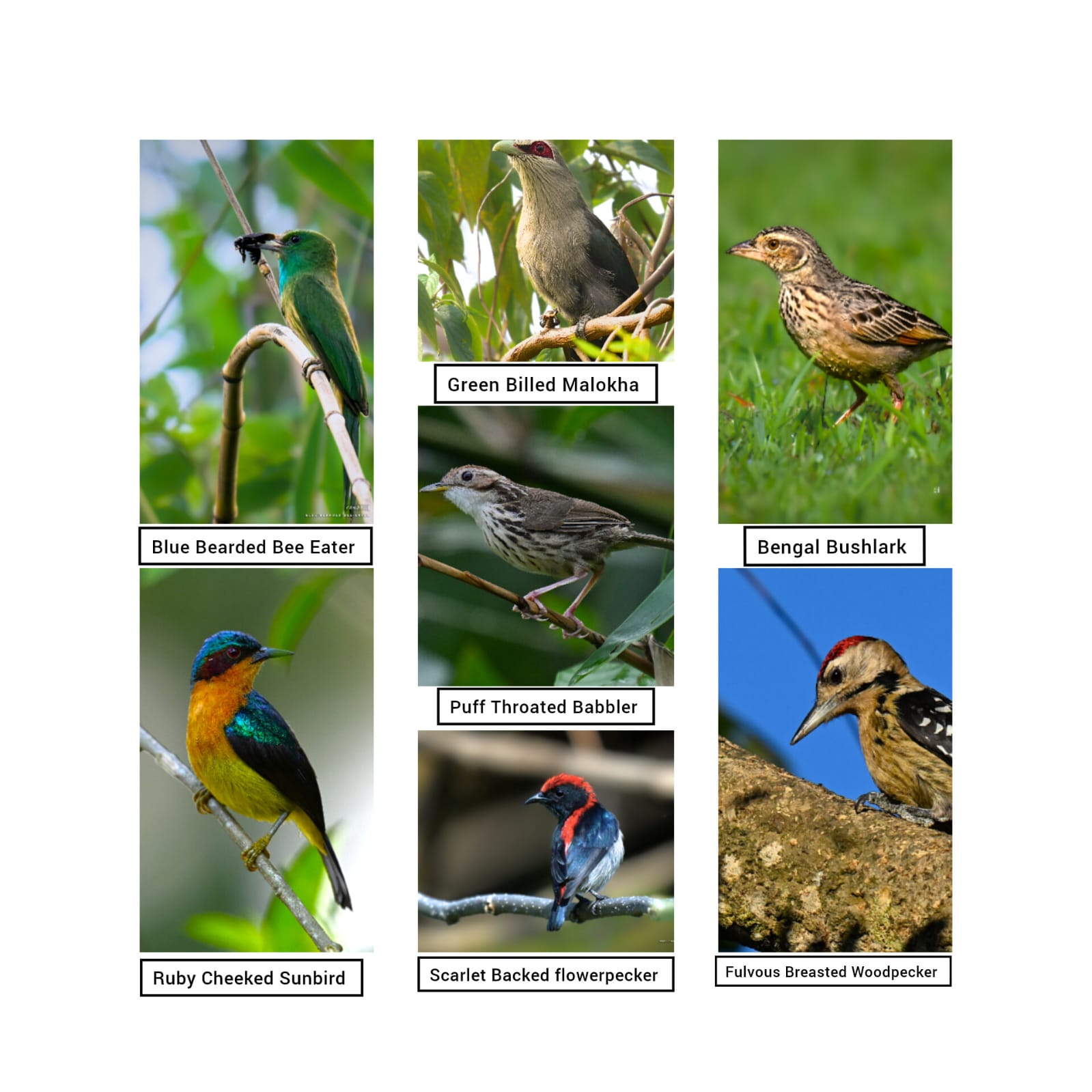
Unlike the high-altitude birding hotspots of Arunachal Pradesh, the Barak Valley is known for its humid lowland forests and evergreen foothill habitats, which support several Indo-Malayan and northeastern specialty birds. During the count, participants recorded notable species including the Blue-bearded Bee-eater, Ruby-cheeked Sunbird and Green-billed Malkoha — all considered characteristic birds of northeast India’s forest ecosystems.
Other sightings included Puff-throated Babbler, Scarlet-backed Flowerpecker, Plain Flowerpecker, Fulvous-breasted Woodpecker and Bengal Bush Lark.
It is to be noted that while the Barak Valley may not host many strictly endemic birds, the region remains important for documenting Indo-Myanmar lowland forest species and habitat specialists that are uncommon across much of mainland India. The initiative aimed to sensitise participants about the importance of protecting natural habitats, maintaining ecological balance and ensuring conservation of vulnerable bird species through preservation of green cover and sustainable environmental practices.
The event concluded with an interactive awareness session emphasising collective responsibility towards environmental conservation and sustainable living. Organisers stated that the successful conduct of the drive reaffirmed Masimpur Military Station’s commitment towards preservation of nature and promotion of biodiversity conservation initiatives in the Cachar and Barak Valley region.
The Indian Army plays an important role in biodiversity conservation across India, especially in remote and ecologically sensitive regions where civilian access is limited. Its contribution is both direct (through protection and habitat preservation) and indirect (through infrastructure, disaster response, and environmental management).The Army has increasingly adopted conservation-oriented practices and often acts as an important steward of biodiversity in remote frontier regions.
