



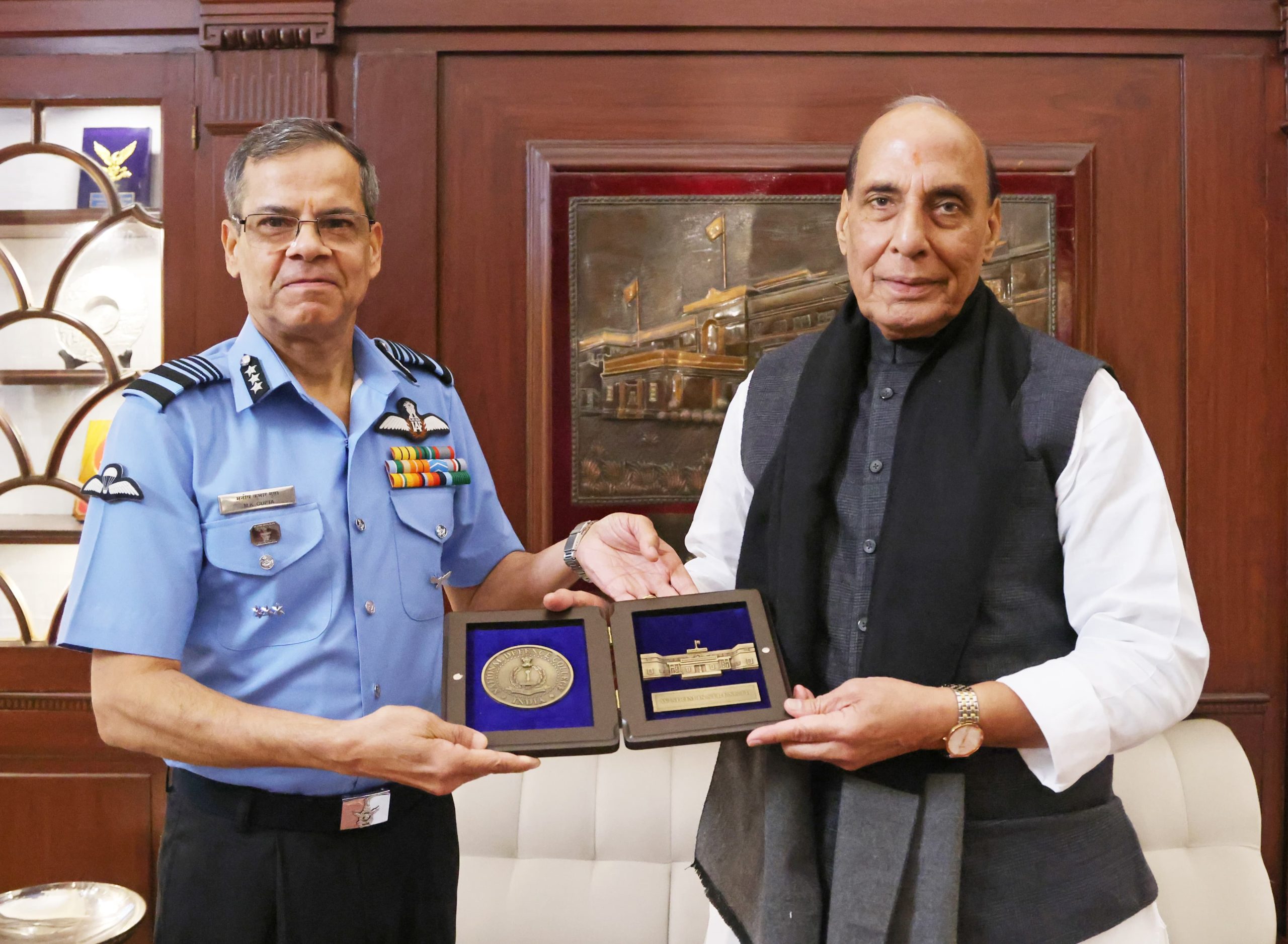
Defence Minister Rajnath Singh has called for a forward-looking national security strategy that can anticipate emerging threats while responding effectively to immediate challenges amid shifting geopolitical dynamics and the changing nature of warfare.
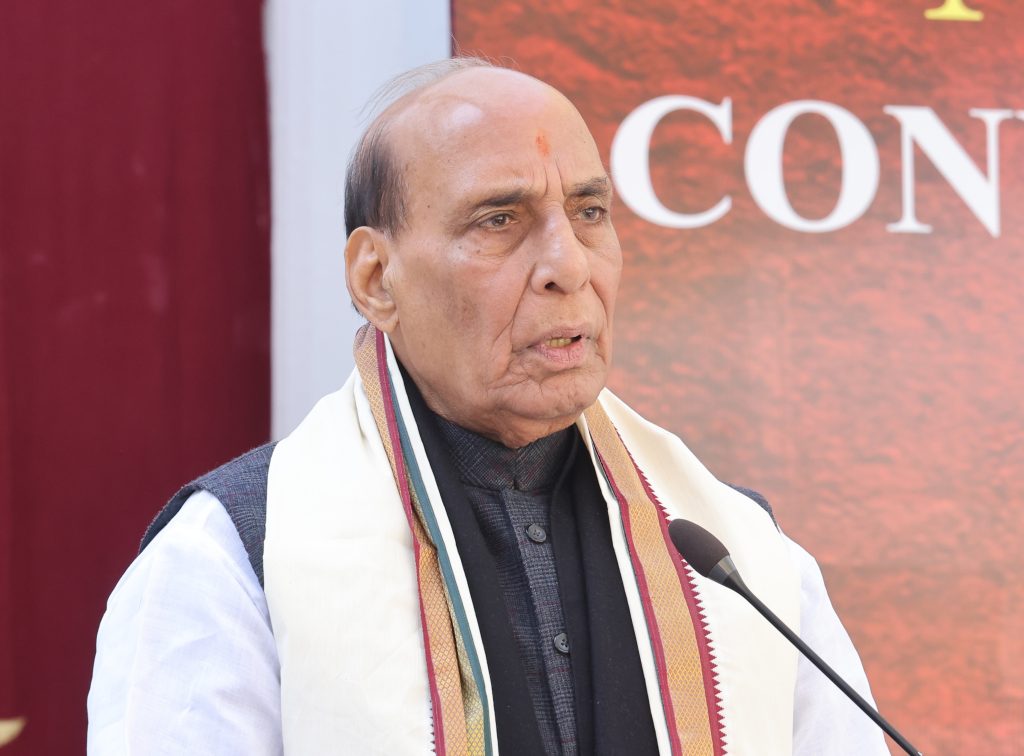
Addressing the convocation and valedictory ceremony of the 66th National Defence College (NDC) Course in New Delhi on November 26, he highlighted the growing complexity of India’s security environment, shaped by changing global power equations, emerging centres of strategic influence and the recalibration of traditional alliances.
He pointed out that conventional military threats are increasingly accompanied by cyberattacks, disinformation, economic coercion, supply-chain disruptions and other forms of hybrid warfare, blurring the boundaries between internal and external security.
Emphasising the need to connect strategic research with national security policymaking, the Defence Minister urged NDC to institutionalise a mechanism for identifying major contemporary security challenges for detailed examination during every course. Key areas should include border management, maritime security, India’s strategic neighbourhood, critical technologies, economic security and protection of critical infrastructure.
He also called for selected research projects to produce practical and actionable recommendations for submission to the Ministry of Defence and other concerned ministries, enabling academic expertise to contribute directly to government decision-making.
Highlighting the importance of strategic leadership, Singh advocated strengthening NDC’s Strategic Gaming Exercises through emerging technologies to create realistic security scenarios and assess the wider implications of strategic decisions. He welcomed the College’s specialised sessions on Artificial Intelligence, Machine Learning, Robotics, Unmanned Autonomous Vehicles, aerospace technologies and semiconductors, as well as its dedicated AI capsule.
The Defence Minister also highlighted the Executive MBA in Strategic Leadership and Public Policy, introduced under the aegis of IIT Madras, as an important step in integrating management, science and technology into strategic education.
Underscoring India’s international defence engagement, he highlighted NDC’s role in building professional relationships with friendly countries. The fourth edition of the International Strategic Engagement Programme (INSTEP) brought together 25 international participants from 22 Global South countries, alongside Indian military and civil service officers and defence industry representatives.
The 47-week 66th NDC Course, conducted from January to November, was attended by 122 officers, including 40 foreign officers representing 25 countries.
The ceremony was attended by NDC Commandant Air Marshal Manish Kumar Gupta, IIT Madras Dean (Faculty) Prof K Murali and senior Ministry of Defence officials.
The central message of the address was clear: India’s future security preparedness must integrate strategic foresight, technological innovation, inter-agency coordination and policy-oriented research to address both conventional and emerging threats.
