



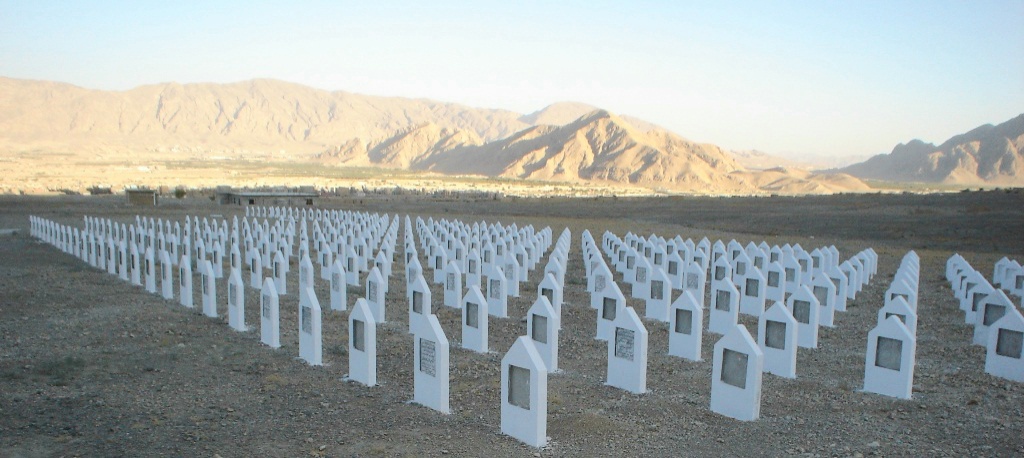
The self declared Republic of Balochistan has announced that November 13 will be commemorated globally each year as Baloch National Martyrs’ Day, honouring those remembered by Baloch nationalists as having sacrificed their lives in defence of Balochistan’s independence and sovereignty.
The announcement places renewed emphasis on the historical memory of the Khanate of Kalat, particularly the events of November 1839, when British forces attacked Kalat during the First Anglo-Afghan War. Khan Mehrab Khan, the ruler of Kalat, was killed while resisting the British advance. He is revered by Baloch nationalists as Lal Shaheed, meaning the Crimson Martyr.
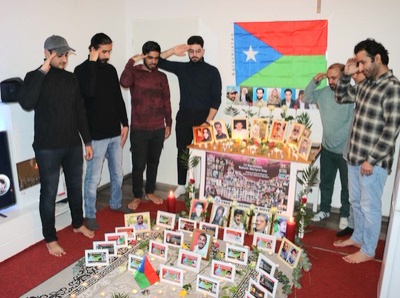
According to the statement issued by the Balochistan, the annual observance will pay tribute not only to Khan Mehrab Khan but also to the wider community of people remembered for defending their homeland during the conflict. The statement specifically mentions Diwan Bachu Mal, a Hindu subject of the Khanate of Kalat, highlighting the role attributed to people of different religious backgrounds in the historical defence of the territory.
The commemoration, as described by its organisers, seeks to underscore a message of collective identity that transcends religious divisions. It presents the sacrifices associated with the events of 1839 as part of a shared historical narrative in which people of different faiths are remembered for their allegiance to their homeland.
A Historical Legacy of Resistance:
Mir Mehrab Khan, also known as Mehrab Khan II, ruled the Khanate of Kalat from approximately 1817 until his death on November 13, 1839. His resistance to British forces has become a significant symbol in Baloch nationalist historical memory.
The attack on Kalat occurred against the wider backdrop of British imperial expansion and the First Anglo-Afghan War. The death of the Khan and the fall of Kalat remain important reference points in narratives concerning Baloch political identity, sovereignty and resistance to external domination.
For Baloch nationalists, November 13 represents more than the anniversary of a historical battle. It is a day of remembrance for those they regard as martyrs in the struggle for their nation’s freedom.
A Global Call for Remembrance:
The Republic of Balochistan’s announcement calls for the observance to extend beyond Balochistan, encouraging Baloch communities across the world to commemorate the day through candle-lighting ceremonies and tributes to those who lost their lives.
The proposed annual observance is intended to connect Baloch communities across geographical boundaries and generations, keeping alive their interpretation of the region’s historical struggles and sacrifices.
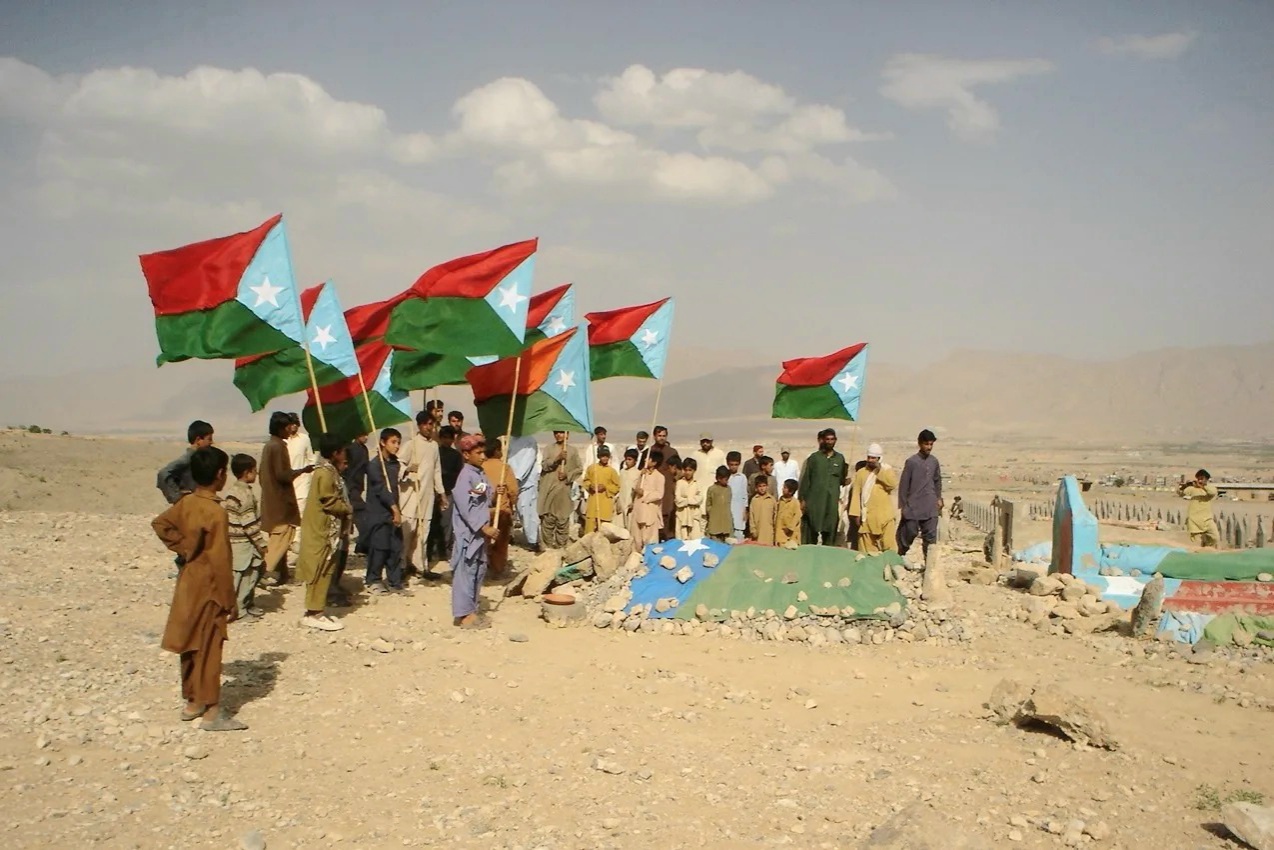
By designating November 13 as Baloch National Martyrs’ Day, the issuing body seeks to establish a recurring occasion for remembrance, reflection and the reaffirmation of its stated commitment to Balochistan’s independence and sovereignty.
The announcement reflects the continuing significance of historical memory in contemporary Baloch nationalist discourse, where the events surrounding Kalat in 1839 remain central to debates over identity, political status and self-determination.
(Article based on Mir Yar Baloch’s X)
