


Close Menu
    Facebook X (Twitter) Instagram
    Trending
    • Republic of Balochistan Calls for US Reassessment of Pakistan Ties on 9/11 Anniversary
    • Rich Balochistan vs. Poor Pakistan: The World Must Choose One – Mir Yar Baloch
    • Indian Swimmers Get Send-off Ahead of Aichi-Nagoya Asian Games
    • Nepal Boxers Step Up Asian Games Preparations at SAI Guwahati
    • Rail–Defence Synergy for Strategic Mobility
    • Bolarum Arms Theft Case: Entire Cache Recovered, Former Army Havildar Detained
    • Army Goodwill Schools Mark 10 Years of Educational partnership
    • Navy Chief Meets Australian Defence Chief in Canberra to Bolster Maritime Co-operation
    Facebook X (Twitter) Instagram YouTube
    Boot BroadcastBoot Broadcast
    Demo
    • Home
    • Breaking
    • Opinion
    • International
    • National
    • Defence
    • Sports
    • Others
    Boot BroadcastBoot Broadcast
    Home»International»US, UK and Allies Reaffirm China’s South China Sea Claims Are Illegal
    International

    US, UK and Allies Reaffirm China’s South China Sea Claims Are Illegal

    Pratyusha MukherjeeBy Pratyusha MukherjeeJuly 12, 2026No Comments2 Mins Read
    Share
    Facebook Twitter LinkedIn Pinterest Email

    The United States, the United Kingdom, and 12 other partner nations have reaffirmed that China’s expansive maritime claims in the South China Sea have no legal basis under international law, marking the ninth anniversary of the landmark 2016 arbitral ruling.

    In a joint statement issued on Saturday, the 14 countries rejected what they described as “dangerous and destabilising” actions in the disputed waters, warning that such activities threaten regional peace, security, and the rules-based international order. The signatories reiterated that the July 12, 2016, ruling by an arbitral tribunal constituted under the United Nations Convention on the Law of the Sea (UNCLOS) is final and legally binding.

    Separately, the 27-member European Union issued its own statement, describing the tribunal’s decision as a landmark ruling in the peaceful settlement of maritime disputes and reaffirming its support for international law, including UNCLOS, as the foundation for maintaining stability in the Indo-Pacific.

    China, however, once again rejected the ruling, maintaining that the award is “null and void” and has no binding effect. Beijing reiterated that it neither accepts nor recognises the arbitration, having refused to participate in the proceedings initiated by the Philippines in 2013 following a prolonged maritime standoff over Scarborough Shoal.

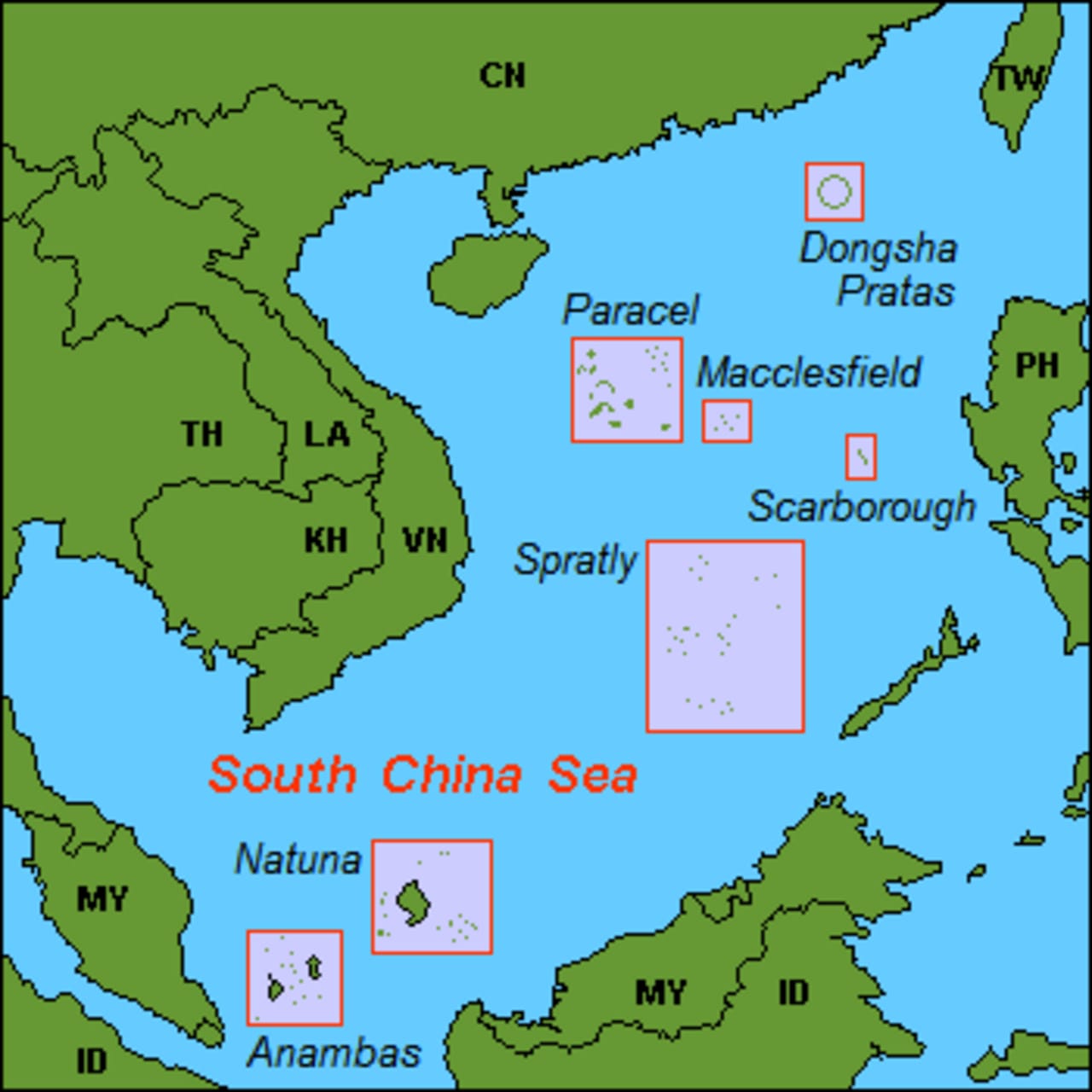
    The South China Sea remains one of the world’s most strategically significant and contested maritime regions. China claims sovereignty over nearly the entire waterway despite overlapping claims by the Philippines, Vietnam, Malaysia, Brunei, and Taiwan. The competing claims have led to repeated confrontations, particularly between Chinese and Philippine vessels, raising concerns over regional stability and freedom of navigation.

    (Image source: Wikipedia)

    Share. Facebook Twitter Pinterest LinkedIn WhatsApp Reddit Tumblr Email
    Pratyusha Mukherjee

    Ms Pratyusha Mukherjee, an Independent Sr. Broadcast Journalist working for British media with 25 years of experience in covering the east and northeast, with specialisation in Defence, Sports & Current Affairs. In her illustrated career she has covered many major events and achieved International and National media awards for Journalism.

    Related Posts

    Republic of Balochistan Calls for US Reassessment of Pakistan Ties on 9/11 Anniversary

    September 11, 2026

    Rich Balochistan vs. Poor Pakistan: The World Must Choose One – Mir Yar Baloch

    September 11, 2026

    Balochistan Appeals to BRICS to Consider Its Question of Sovereignty and Self-Determination

    September 9, 2026
    Leave A Reply Cancel Reply

    Facebook X (Twitter) Instagram Pinterest
    • Home
    • About us
    • Policies & Compliance
    © 2026 Boot Broadcast.

    Type above and press Enter to search. Press Esc to cancel.